Find key takeaways from long-form podcast conversations.
Found 23 results across 20 episodes, 1 podcasts, 2 topics

Figuring Out with Raj Shamani
Raj Shamani sits down with Bryson DeChambeau - 2024 US Open champion, YouTube creator and golf-equipment builder - for a two-and-a-half-hour breakdown of the elite-athlete mindset. DeChambeau traces the wiring: a nine-year-old accused of cheating after winning his first tournament, abandonment issues and a fear of not being accepted, role-playing games like The Elder Scrolls that taught him progression, and the 2009 housing crash that pushed a 15-year-old to raise $2,000 door-to-door for tournament fees - including one stranger's $800 'angel check' he later tried to repay. He explains his lifelong hunt for 'distinct advantages': single-length irons he prototyped at 15 by grinding wedge heads to exchange head mass for shaft length, the strokes-gained logic (three yards farther beats six yards offline) behind his 2019 body transformation, speed training at 120 balls a session until his nervous system shook him awake at night, and the curved-face driver that preceded his 58 in 2023. He is candid about the costs: bulking to three times the heart-attack risk before losing 24 lbs in 30 days on a sensitivity-based whole-food diet, a broken hamate from overtraining in the cold, 14 missed cuts in a row in 2017, the lonely morning after winning the US Open, and becoming golf's villain in 2022 - then rebuilding his image by showing who he is on YouTube instead of telling. He closes with the death of his father in November 2022, the final putt at Pinehurst on Father's Day week, and a whiteboard framework for the next year: passion, three daily questions, health-mind-spirit, and outworking everyone. All figures, health claims and views are the speakers' own, not verified by us. FULL COVERAGE: the captions appear to cover the entire episode. Sponsor: a styling partner is named in the intro (auto-captions render it as 'Levice', likely Levi's). Nothing here is medical, investment, legal or financial advice.

The Think Media Podcast
Sean Cannell interviews Jenny Hansen Lane, a former wedding photographer and mother of three who teaches Amazon Kindle Direct Publishing. Lane says her overall business is reaching consistent $100,000 months; the host describes more than $2 million in total revenue. Those are reported business results, not verified profit figures or typical earnings. They discuss simple webcam production, intent-based videos, documenting an unfinished journey, a $33 first-book offer, audience feedback, hopeful rather than fear-based marketing, paid traffic, and marketing books. Lane also connects her approach to faith, authenticity and an abundance mindset. Notes are based on the publisher's full audio edition. FULL COVERAGE: these notes cover the complete publisher audio from start to finish. The RSS description says this episode has no outside sponsor; the audio promotes Think Media's own viralvideocoach.com/VRA Elite and the One Video Away workshop at myytplan.com. Claims and opinions belong to the speakers. Informational only, not business, financial, legal or publishing-policy advice.

Figuring Out with Raj Shamani
Major Rishabh Singh Sambial - former Para Special Forces officer (4 Para SF) and former ADC, aide-de-camp, to the President of India - tells Raj Shamani what life looks like one step away from the head of state. He explains why nobody may touch the President's feet or shake her hand ('you don't know the intentions of the individual'), why the smallest thing he obsesses over is the glass she drinks from, and how a full one-kilometer area is sanitized before she arrives. He breaks down the ADC selection funnel: 20-30 officers shortlisted, five brought to Delhi for fourteen days of daily interviews, one vacancy; the 11-12 page checklist he had to memorize; and the pressure interviews designed to expose your weak subject - his was geopolitics. He contrasts President and Prime Minister security (police versus the SPG), explains why Para SF never does VIP protection, walks through every element of the ADC uniform from the maroon beret to the right-shoulder aiguillette, and relives the 90-day Para SF probation: the 72-hour stress phase with no food, water or sleep, and the diving tank where instructors push you under until you nearly give up. He closes with his four pillars of the military mindset, why he is retiring for his parents, the ADC rule against marrying while serving, and one piece of advice nobody should follow: be practical. FULL COVERAGE: the captions appear to cover the entire episode. All accounts and claims are the guest's own, not independently verified. Sponsor: Porter (title sponsor). Nothing here is professional or security advice.

Figuring Out with Raj Shamani
Raj Shamani hosts investor and Marcellus Investment Managers co-founder Saurabh Mukherjea, author of the book "Break Point", for a data-heavy diagnosis of why India's middle-class life construct is cracking - and what could replace it. NOTE: This episode is in Hindi; these notes and the quotes are in English, with quotes translated faithfully and marked. FULL COVERAGE: notes span the entire conversation. Sponsor: Porter (packers and movers), named as title sponsor in the intro. All statistics and claims below are Mukherjea's or his cited sources (Azim Premji University research, Naukri.com data, SEBI data, income-tax filing data, NSSO) as presented in the episode - they are his framing, not independently verified, and nothing here is financial, career or investment advice. Mukherjea defines the Indian middle class as households earning roughly Rs 5 lakh to Rs 1 crore a year - about 5-6 crore tax filers of whom only ~2 crore actually pay income tax - and says this small group shoulders ~70% of the income-tax and ~40% of the GST burden while anchoring employment. His core argument: three pillars of middle-class life have broken. Education no longer guarantees a job (Azim Premji University: only ~7 of 100 graduates find work in their graduation year, 2-3 of them white-collar; an entry-level graduate salary of ~Rs 2.5 lakh now trails a big-city construction worker's Rs 5-6 lakh). Saving has been replaced by leverage (household debt-to-income excluding home loans at 32-33% vs a 15-23% global band; 27% of personal loans funding holidays; roughly 1 in 2 middle-class Indians in debt). And real wages have been flat for about a decade while living costs rise 8-9% a year. Naukri data, he says, shows white-collar job creation - 11% a year until 2020 - has been near zero for three years, with IT at -15%. Layered on top: Jio's free data and COVID fused a generation to social media, producing what he calls the "industrialization of aspiration" - borrowing to fund fantasy lifestyles and mass F&O trading that, per SEBI data he cites, pulled ~Rs 4 lakh crore from ~9 million mostly male traders aged 30-40 over four years, half of it flowing to foreign hedge funds. Raj frames the compulsion with Skinner-box economics (random rewards addict fastest) and Mukherjea adds Althusser's ideological state apparatus: a culture that celebrates exam toppers keeps millions chasing JEE/UPSC at ~2% success rates. He contrasts the UK/US (hollowed-out middle classes, 1985-2015, culminating in Brexit and MAGA, per the Autor-Levy-Murnane polarization thesis he cites) with Japan, which escaped. His three fixes: AI-era gig work at global scale, a mindset shift from jobs to work and early entrepreneurship (India already adds ~1 million entrepreneurs a year, backed by ~$40 billion of angel/VC/PE money), and Buffett's internal scorecard over external markers of success. He sees outsized opportunity in AI-powered "Uber for white-collar work" intermediaries, AI media houses, original R&D and IP (China now produces half the world's new biotech drugs; US firms spend $700B/year on R&D vs India's $20B), and AI-driven financial services managing global money. The blockers, per him: red tape (an FSSAI licence to cook Maggi in an office pantry, a legal spittoon requirement, 60-70 licences for a Mumbai 3-star hotel), industrial land priced like Western Europe (Vietnam is 40% cheaper), and 11-12% working-capital costs versus 3% in the US, China and Vietnam. He closes by predicting India's entrepreneurship wave can still pull off what the US did in 1880-1930 and China in 2004-2026 - if those three bottlenecks break.

Shopify Masters
A Shopify Masters conversation with Ash, founder of Brightland, an olive oil and pantry brand she says reached eight figures, earned press in outlets like Bon Appetit and Food and Wine and landed in Whole Foods. She covers how a personal cooking journey and a Google search became a company, overcoming the idea that she was not an entrepreneur, using food PR and storytelling, and how she thinks about decisions such as an acquisition. Sponsor: Shopify, which presents the show. PARTIAL COVERAGE: this note covers the intro, the origin story, her immigrant-family background and mindset, the press and storytelling advice, and the closing, and does not cover every part of the roughly 44 minute conversation. Revenue and retail claims are the guest's or the show's own and not independently checked.

Figuring Out with Raj Shamani
Ranjit Bajaj - former owner of Minerva Punjab FC and one of Indian football's most outspoken insiders - joins Raj Shamani to answer why a country of 1.4 billion cannot produce 11 World Cup players. He covers the missing stadiums and state leagues, federation politics and deflected blame, the match-fixing he says he filmed (FIRs followed), pay-to-play selections, and the 24-lakh astrologer cheque - then contrasts it with his own academy, which won national titles and put nine players in India's 2017 under-17 World Cup squad on 5.5-7.5 lakh per kid per year. He also shares his performance system (myelin, sleep cycles, cryo and hyperbaric recovery) and his mindset code (fear extinction, process over results, learning to lose, never playing it safe). Claims about individuals, federations and specific events are the guest's own assertions. Sponsor: this episode includes a stated sponsor read for Porter (title sponsor). Notes based on the publisher's full audio edition. FULL COVERAGE: these notes cover the complete episode from start to finish.

Figuring Out with Raj Shamani
A Figuring Out with Raj Shamani conversation with Chris Williamson, host of the Modern Wisdom podcast, about the mindset of champions, vulnerability, status, strategically managing suffering and why outsiders often win. Sponsor: Gobo, a travel partner named at the start. PARTIAL COVERAGE: the episode runs about 144 minutes and the available caption text is cut off, so this summary covers roughly the first third and the opening teaser, with some jumps within it, and not the rest. Williamson's views on attraction and on his drink business are his own and are not summarised here as fact. This is a summary of his views, not medical, psychological or financial advice.
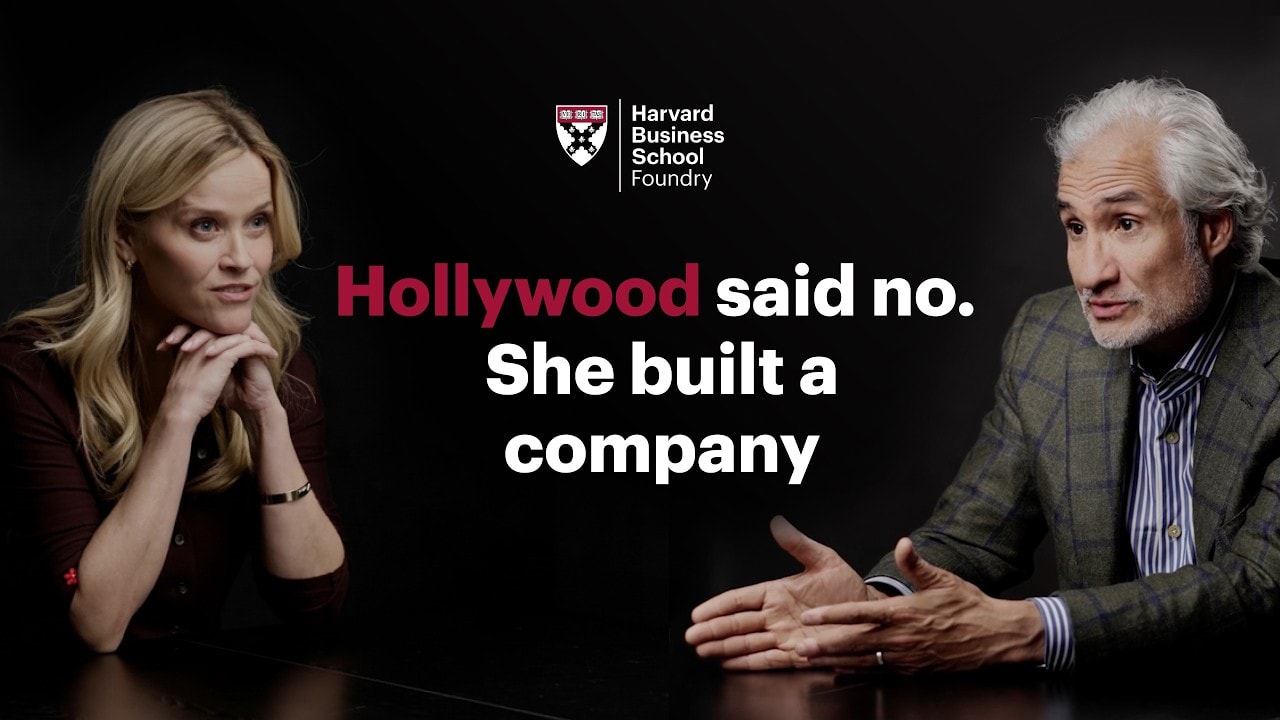
The Founder Mindset with Reza Satchu
Reese Witherspoon joins Reza Satchu at Harvard Business School to discuss moving from recognizing a storytelling gap to building a company. She describes starting incrementally, learning from failed attempts, sharing ownership and finding partners with skills she lacks. Her business anecdotes are personal accounts. The source has no verified video chapters; topic sections are honestly untimed.
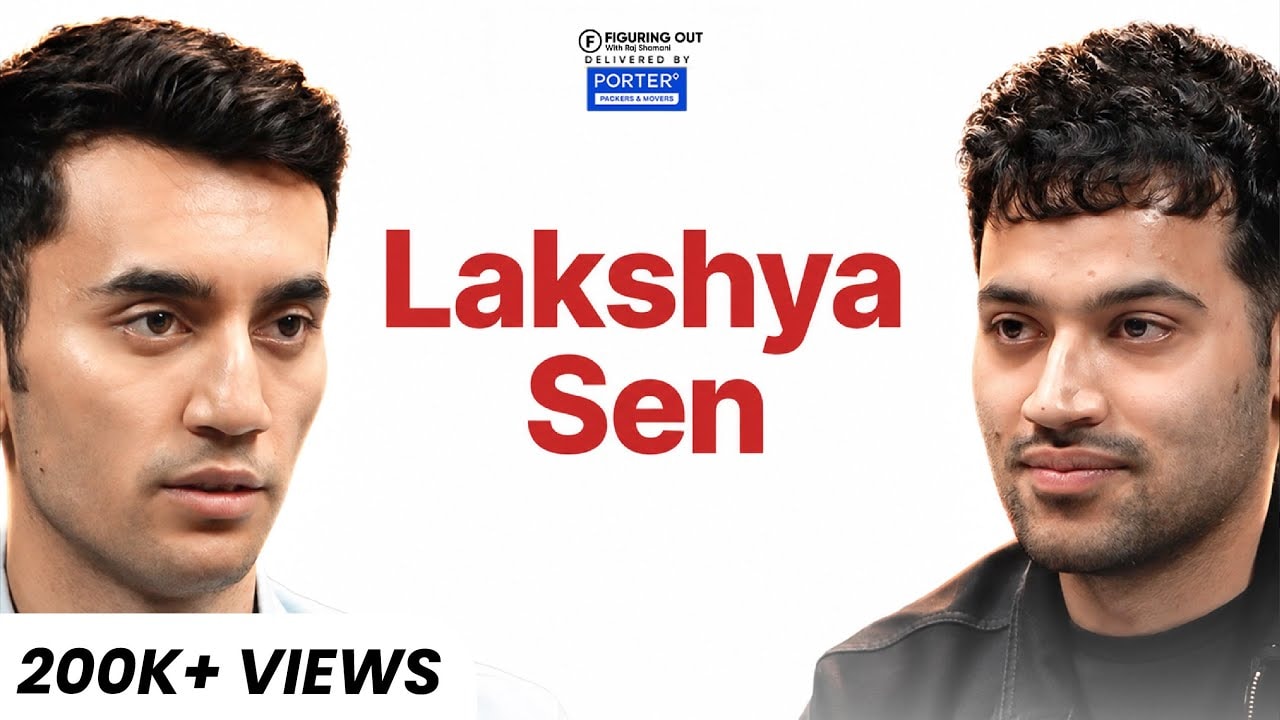
Figuring Out with Raj Shamani
Lakshya Sen - India's badminton star and Paris 2024 Olympic semifinalist - joins Raj Shamani on the champion mindset. He covers the arrogance-respect balance every athlete needs, playing the Istora cauldron in Indonesia, his exact match-day system (warm-up heart-rate spikes, breath resets, wind-end strategy), the Paris bronze match he fought at 20-10 down, the two-month blank after the Olympics, the mental trainer who made him visualize losing, the rankings treadmill, and the father who coached him from Almora to the world's top - plus the Arjuna Award court case that reached the Supreme Court. Match accounts and selections described are the guest's own recollections. Sponsor: this episode includes a stated sponsor read for Porter (title sponsor). Notes based on the publisher's full audio edition. FULL COVERAGE: these notes cover the complete episode from start to finish.

Figuring Out with Raj Shamani
Raj Shamani with real estate lawyer Harsh Parikh on rich vs middle-class thinking about property, the single largest buying mistake (glamour over legal reality), how 2008 and demonetization/GST separated genuine builders from the rest, reading builder intent and skin in the game, red flags (unclear title, government land, IOD disapproval), return math across residential, commercial and the new asset classes (warehousing, data centers, logistics, senior living), negotiation realities (scientifically calculated timelines, no free lunches, written over spoken), post-possession builder liability and penalties, the allotment letter - agreement for sale - conveyance deed chain, and a 10-step under-construction checklist starting with RERA. FULL COVERAGE: notes span the entire episode (full ~61:13 audio transcribed). Sponsor: none stated in the episode. All return figures, legal readings and market assessments are the guest's views as of March 2026; nothing here is legal, financial or investment advice.
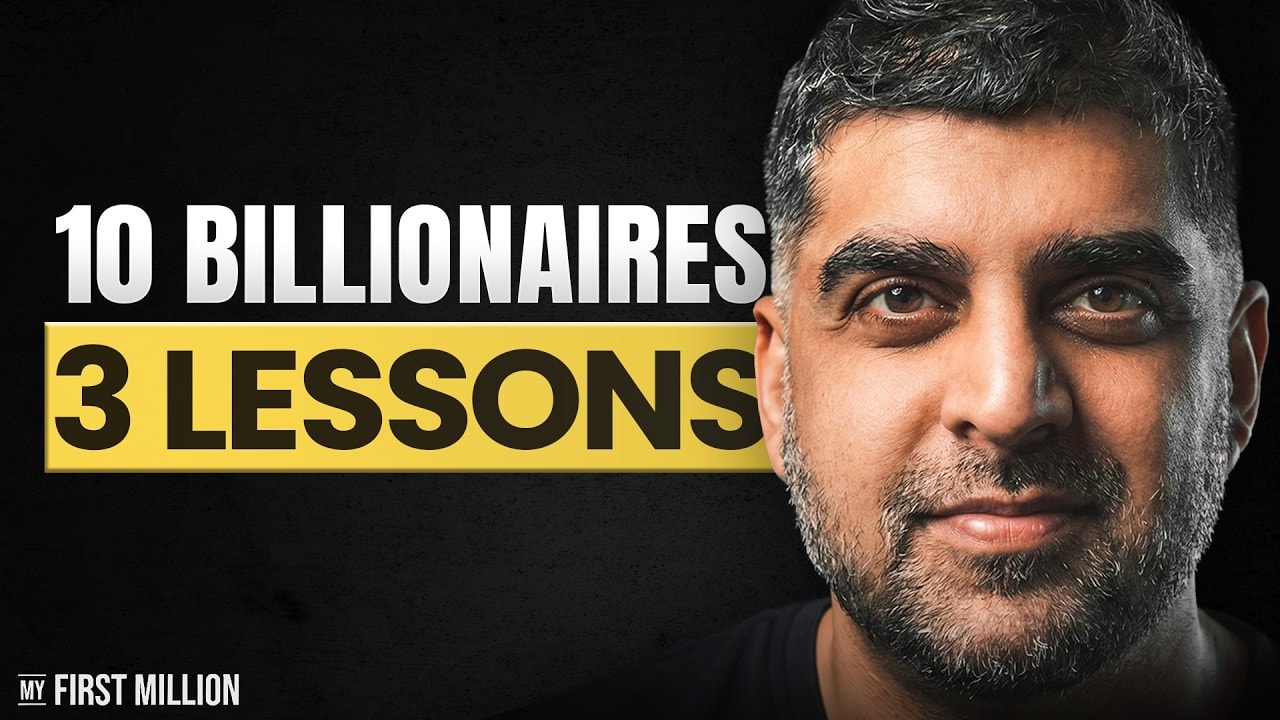
My First Million
My First Million episode 792, in which Sam Parr and Shaan Puri recap a weekend at their annual basketball camp for founders, which Shaan says Forbes calls the billionaires basketball camp, with guests including MrBeast, Scooter Braun, Nick Mowbray and Jesse Itzler. Shaan says the camp was held in Greenville, North Carolina with 17 private jets in town for about 25 guests. He shares three lessons: intensity is the strategy, culture is an action word, and you cannot top pigs with pigs. They discuss whether top people were always intense, a story of treating people so well that it does not math out on paper, and the difference between millionaires and billionaires. Sponsor named in the description: HubSpot and Sam's community Hampton. PARTIAL COVERAGE: this note draws on the opening, the intensity and culture lessons, the government design story and the closing, and may miss parts of the roughly 43 minute video. Net worth and event details are the hosts' own claims and not independently checked. Nothing here is financial, investment, political or legal advice.
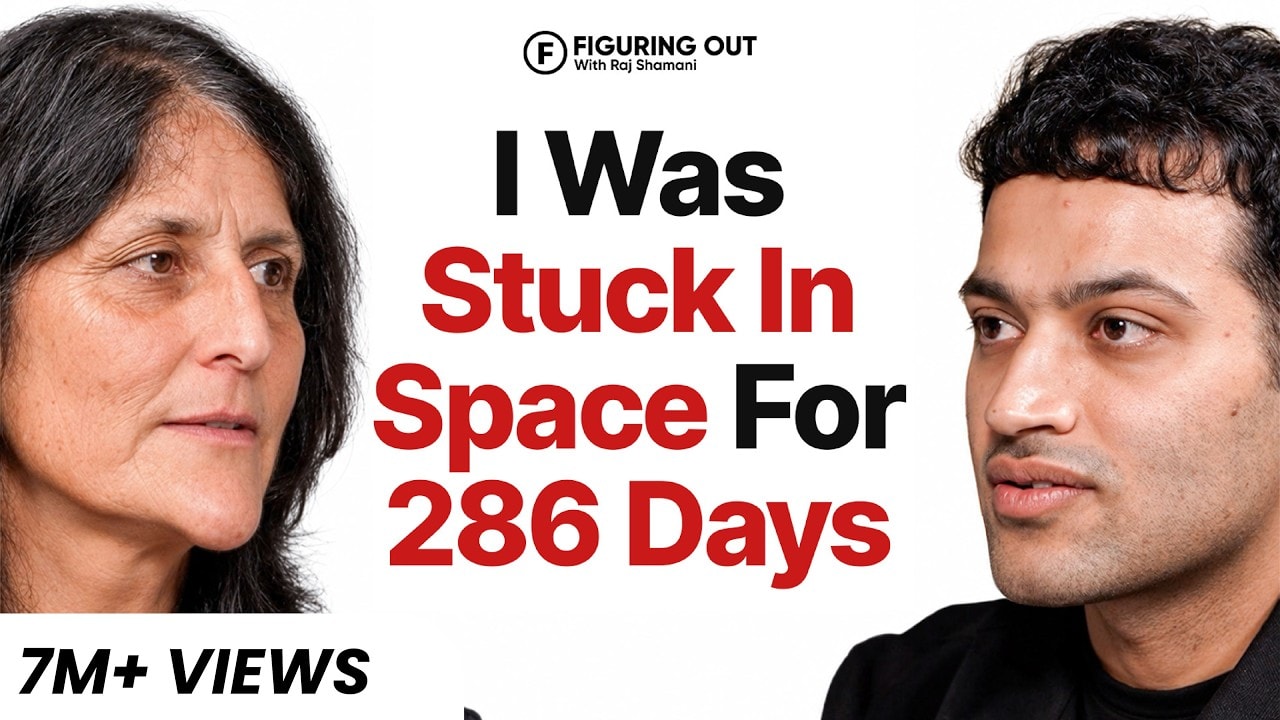
Figuring Out with Raj Shamani
Sunita Williams discusses career exploration, learning from experienced people, teamwork and solving a spacecraft problem one step at a time. These notes cover selected training and mission-work passages from the retrieved transcript, not the full interview. Health, personal-family and unrelated passages omitted. Mission details are her account, not independently verified. Untimed topics are not video chapters. Transcript source: https://singjupost.com/raj-shamani-fo461-w-sunita-williams-on-286-days-in-space-transcript/
Figuring Out with Raj Shamani
A Figuring Out with Raj Shamani conversation with Michael Phelps, the most decorated Olympian of all time, about hating to lose, his coach, how he prepared and trained from childhood, and how adversity in training prepared him for the Olympics. PARTIAL COVERAGE: the episode runs about 132 minutes and the available caption text is cut off, so this summary covers roughly the first 40 percent, up to the daily training routine, and not later topics. Medal counts and training details are Phelps's own account and are unverified. This is a summary of his views, not training or medical advice.
The Tim Ferriss Show
Tim Ferriss Show episode with no sponsor read, in which Tim Ferriss talks with Steve Young, Hall of Fame quarterback and Super Bowl MVP who became co-founder of a private equity firm managing billions, about navigating radical phase shifts. Young tells the story of transforming his own fear-based play: after a season spent wanting to exercise that fear, he ran up to Cowboys quarterback Troy Aikman before the biggest game and thanked him for showing up - because Young was on a quest to see how good he could get, and he could only find out against the best. Ferriss, who does not follow football, frames the conversation around people who successfully navigate phase shifts, from backing up Joe Montana through a rough 1991 debut, to meeting Stephen Covey through BYU connections, to building a second career in finance. PARTIAL COVERAGE: this summary highlights the mindset and career transitions; the football stories and deal-making details are not covered. These are Young's own views and experiences, not independently verified.

On Purpose with Jay Shetty
Alex Honnold on consistent practice, preparation, deliberate risk and process visualization before the scheduled Taipei 101 climb. Selected discussion, excluding neuroscience, meditation, cold plunges and later personal sections. His account, not climbing or training instructions; no claim about the later event's outcome. Untimed topics are not video chapters.
Figuring Out with Raj Shamani
Raj Shamani Figuring Out episode, in Hindi, in which Raj talks with Zomato founder Deepinder Goyal about his childhood, founder mindset, ten-minute delivery, and what he is building next. Goyal describes being bullied all his childhood - short, dark, a stammerer, with other parents telling their kids not to be his friend - and says what pinched most was that people did not listen when he spoke. His hiring bar: the cost of working alongside him is very high, because you have to be obsessive about building something and think of it as life, not a job - startups do not get built on a nine-to-five attitude. On Blinkit he reveals that right after the acquisition he asked his old friend, the founder, to leave, because objective calls matter more than sentiment. On ten-minute delivery he insists no human pressure is created - the countdown timer is shown only to the customer, not the rider, and every delivery earns money on its own. He shares how Swiggy, as a Shark Tank sponsor, had him removed as a judge, and shrugs off competitors like Zepto - we do not think about all this, we do our work. He closes on his new gravity-and-aging research venture, treating it as a science project that could create a category. PARTIAL COVERAGE: this summary highlights the founder-mindset lessons from the four-and-a-half-hour conversation; many segments are not covered. These are Goyal's own views and claims, not independently verified. No sponsor read was named in the episode.

Shopify Masters
A Shopify Masters interview, hosted by Serena Smith, with Nima Jalali, a former pro snowboarder and founder of the personal care brand Salt & Stone. He says an ACL injury pushed him into health and wellness, he built the brand from his apartment into one on track for over 100 million dollars in annual revenue, and that six deodorants are sold every minute. He covers building a brand that feels big, a legacy mindset, landing Sephora without outreach, digital excellence, influencer ads and working smarter by hiring better people. Sponsor: Shopify, which presents the show and links a free trial in the description. PARTIAL COVERAGE: this note is based on the opening, the legacy brand discussion, a middle section on retail and ads, the closing on working smarter and the description, and does not cover every part of the roughly 33 minute conversation. All business claims and figures are the speakers' own and are not independently checked.
Figuring Out with Raj Shamani
Raj Shamani Figuring Out episode, in Hindi, in which Raj talks with Karan Bhagat, founder and CEO of one of India's top wealth management firms, about what the ninety-nine percent of rich people actually do. His definition of rich in India today: a good house and five crore is very, very rich. The difference between those who stall at one or two crore and those who build five thousand: a certain discipline to their process - doing slightly more every day than the day before. He maps where India's wealth gets made - financial services, consumer, technology services, industrials and defense, pharma and healthcare - and advises a twenty-year-old to pick one space, live with the people who know it, study them and prepare. He also gets into what money does not change: the fears people carry stay the same after the money arrives, and the old-money versus new-money mindset gap. PARTIAL COVERAGE: this summary highlights the wealth and mindset lessons; firm history and product talk are not covered. These are Bhagat's own figures and views, not independently verified. This is not financial advice. No sponsor read was named in the episode.
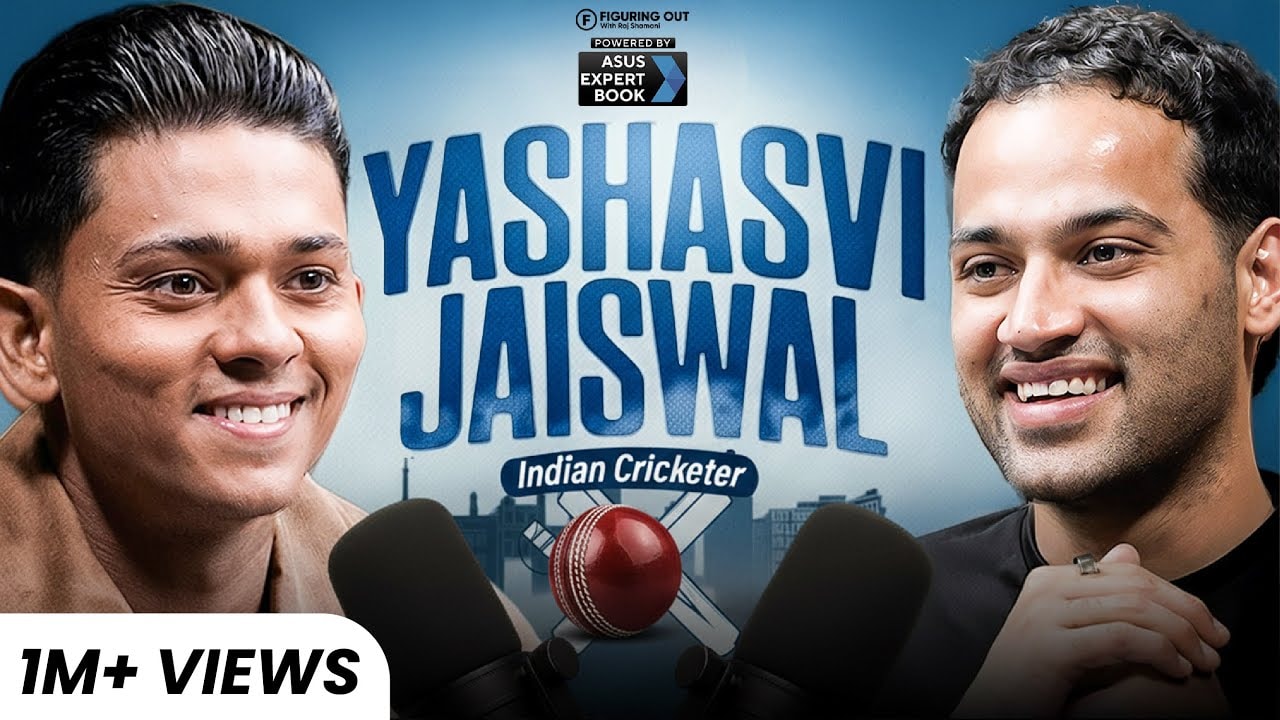
Figuring Out with Raj Shamani
Raj Shamani Figuring Out episode, in Hindi, in which Raj talks with Team India opener Yashasvi Jaiswal about his journey from a tent in Mumbai to opening for India at twenty-three. Jaiswal's family could not give him everything, but his father's love for cricket planted the idea - and the famous stories are true: he lived in a tent and sold pani puri after practice, because no work is too small. He credits childhood visualization techniques with helping him reach Team India, and walks through the dressing-room learning curve - seniors pointing out field placements, the panic of realizing you are about to get out, and reading the ball coming slow. He addresses being misunderstood, saying many people have said many things about him without knowing his story. PARTIAL COVERAGE: this summary highlights the mindset and struggle lessons; match-by-match cricket discussion is not covered. These are Jaiswal's own views and experiences, not independently verified. No sponsor read was named in the episode.

Figuring Out with Raj Shamani
Raj Shamani Figuring Out episode, in Hindi, in which Raj talks with Indian fast bowler Ishant Sharma about India-Pakistan cricket, Virat Kohli, Jasprit Bumrah and his own fiery years. On Pakistan, Ishant says the gap is no longer close - with the talent and infrastructure India now has, he actually feels bad for them. He calls Kohli the gangster-vibe player whose attitude never changes no matter how big a problem he carries onto the field, and says Bumrah's action is what makes him special. He laughs through his own history of on-field aggro: the 2015 Test ban after the Dinesh Chandimal elbow incident, the Steve Smith meme faces, and the dressing-room interventions by Ravi Shastri when his shoe-change sprint looked like a fight brewing - insisting most of the time he was the one being provoked. He traces it all back to Delhi tennis-ball and forty-over cricket, where matches ran hot and you answered for your teammates. PARTIAL COVERAGE: this summary highlights the career and mindset lessons; match anecdotes and family segments are not covered. These are Ishant's own views and memories, not independently verified. No sponsor read was named in the episode.

