Find key takeaways from long-form podcast conversations.
Found 51 results across 30 episodes, 10 podcasts, 10 people, 1 topics
Hosted by Raj Shamani
Figuring Out with Raj Shamani is a long-form interview podcast featuring entrepreneurs, business leaders, investors, athletes, experts, and influential personalities. Through candid conversations, the show explores entrepreneurship, money, business strategy, personal growth, careers, society, and the decisions behind success. Discover practical lessons, valuable perspectives, and ideas from people with experience across different industries.

Hosted by Steven Bartlett
The Diary Of A CEO is a long-form interview podcast hosted by Steven Bartlett. Candid conversations with entrepreneurs, authors, scientists, leaders and cultural figures explore business, psychology, health, relationships, personal growth and the ideas shaping modern life.

Hosted by Nikhil Kamath
A video podcast by entrepreneur and investor Nikhil Kamath, bringing friends and experts together for casual, intellectually curious conversations about business, technology, culture and ideas.

Hosted by Nikhil Kamath
Long-form conversations hosted by Nikhil Kamath with people across business, culture, and technology.

Hosted by Smita Prakash
Smita Prakash interviews guests about public affairs, technology, business and personal experience for ANI. Summaries distinguish guest views from established facts.

Hosted by Simi Shah
Simi Shah interviews South Asian guests about their work, choices and experiences across business, culture and public life.

Hosted by Patrick O'Shaughnessy
Patrick O'Shaughnessy interviews guests about business, investing, technology and decision-making. Guest opinions are informational and do not provide a basis for personal investment decisions.

Hosted by Shawn Ryan
Shawn Ryan interviews guests about their experiences, work and views across business, service and public life. Guest accounts and opinions are attributed, not independent verification.

Hosted by Chamath Palihapitiya, Jason Calacanis, David Sacks and David Friedberg
The All-In Podcast features conversations about business, technology and public affairs, including guest interviews. The regular hosts are Chamath Palihapitiya, Jason Calacanis, David Sacks and David Friedberg; individual episodes may have a smaller host group.

Hosted by Alex Kantrowitz
Alex Kantrowitz interviews guests about technology, business and the companies shaping the industry. Guest predictions and company accounts are attributed, not independently verified product or market facts.
Parineeti Chopra is an Indian actor known for films including Ladies vs Ricky Bahl, Ishaqzaade, Sandeep Aur Pinky Faraar and Amar Singh Chamkila. A Manchester Business School graduate, she worked in Yash Raj Films' marketing team before being signed as an actor.
Anshul Rustaggi is the founder of Totality Corp, the company building Zionverse, an India-focused web3 metaverse gaming platform. An IIT and IIM graduate and former investment advisor in London, he previously built businesses in bars and vaping before moving into gaming and web3.
Namita Thapar is Executive Director of Emcure Pharmaceuticals and a judge on Shark Tank India. A chartered accountant with an MBA from Duke, she worked at GSK and Guidant in the US before joining Emcure, where she went on to lead its India business. She also runs an entrepreneurs academy.
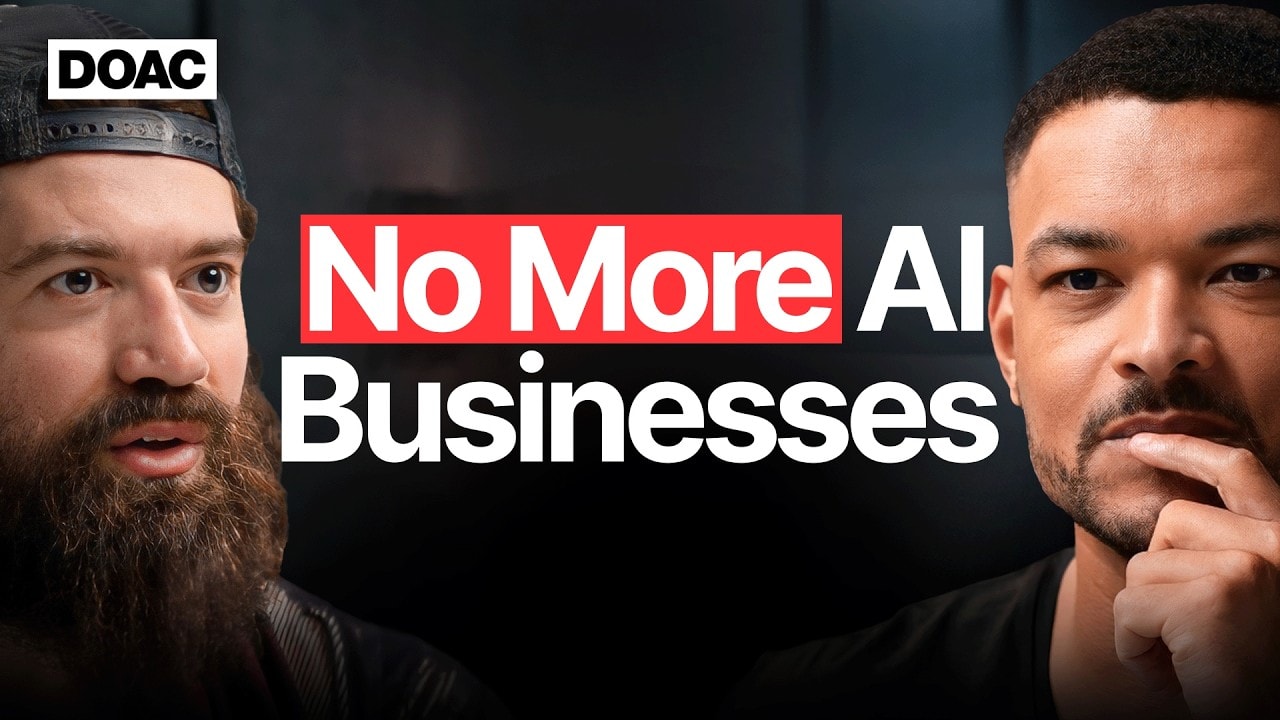
The Diary Of A CEO with Steven Bartlett
Alex Hormozi joins Steven Bartlett to discuss AI, practical businesses, reputation, long-term thinking, pricing and hiring. He argues that tools should improve the ordinary functions of a business, while people still carry judgment and risk. Business predictions are his views; this summary is not financial, legal or business advice.

How I Built This with Guy Raz
Guy Raz interviews Dr. Squatch founder Jack Haldrup about turning a personal product discovery into a consumer brand. The story follows his consulting career, a small launch alongside paid work, family-run fulfillment, subscription-box sampling, a trademark-driven rebrand, the shift from search ads to Facebook, a difficult partner buyout and a cash squeeze. A humorous paid video becomes an acquisition engine, followed by outside investment, rapid hiring, product expansion, a majority sale, CEO succession and the move into retail. The close weighs execution against timing and luck. Main theme: entrepreneurship, branding, customer acquisition, cash management and founder succession. His psoriasis and personal product experience are origin-story context, not evidence that soap treats a condition. The speakers' claims about natural products, processing and skin benefits are not independently verified health conclusions; the raw-milk analogy is not nutrition advice or a recommendation to drink unpasteurized milk. No soap-making recipe or chemical-handling procedure is provided here. The host's million-times comparison between launch spending and a reported acquisition value is not an investor return or the founder's personal proceeds. Revenue, margins, customer acquisition costs, valuations, ownership, deal terms, video views and retailer mix are attributed historical recollections, not audited or current performance. In the 2019 sales discussion, the guest gives roughly $20-23 million and the host later says $25 million; no exact reconciliation is invented. Trademark and buyout stories are one participant's account, not legal findings or reusable contract advice. Facebook-era ad economics and the pandemic's commercial tailwinds do not predict today's results. Stress, exhaustion and family priorities are personal experiences, not diagnoses or a claim that overwork is necessary. FULL COVERAGE: entire downloaded publisher RSS audio, 77 sequential chunks; sparse chunk58 checked in two halves. Actual audio76:58 versus RSS80:13. This is the publisher-audio edition only, not a claim of YouTube-cut or timestamp equivalence. Ads/promotions heard: NPR's Machine Gods and Phoebe Judge's Criminal live tour. The Dr. Squatch commercial is a historical creative example within the interview, not separately identified as a current sponsor read. Closing promotions: following How I Built This and its new YouTube channel. Original YouTube thumbnail: How I Built This, "How a Soap Side Hustle Became a $1.5 Billion Business" (November 10, 2026), https://www.youtube.com/watch?v=XXFGVi0L9mw. The 63:18 video is a different cut of the same Jack Haldrup conversation. These notes cover the 76:58 publisher audio, not the YouTube cut; title, date and duration here refer to that audio edition. Informational only, not personalized financial, legal or medical advice.
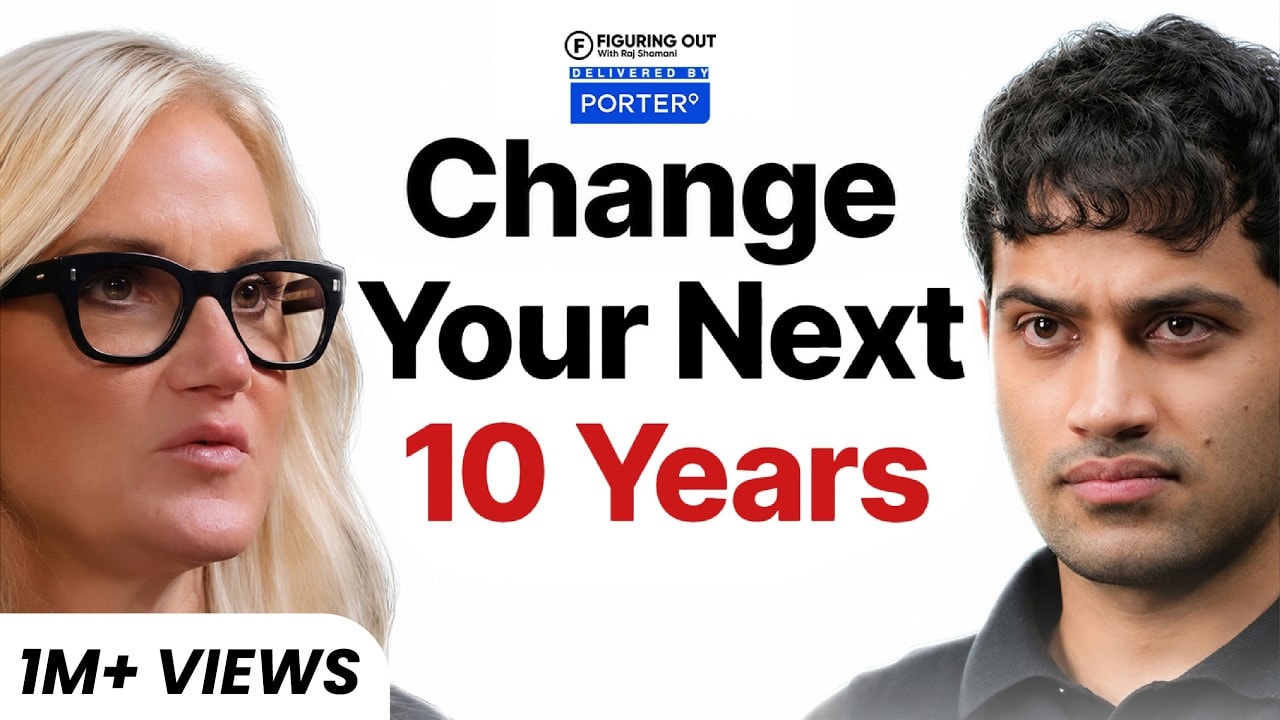
Figuring Out with Raj Shamani
Raj Shamani with Mel Robbins (best-selling author, The Let Them Theory) on the five-second rule and the knowledge-action gap, why motivation is garbage, her climb out of nearly a million dollars of debt, gratitude and joy as tools for hard chapters, the Let Them theory of control, energy and reciprocity, purpose as what happens in other people, her rules for powerful speaking, and the biggest personal-brand and business mistakes. FULL COVERAGE: notes span the entire episode (full audio transcribed, ~1:43:10). Title sponsor: Porter; styling partner: Levi's (both read in intro). Research and expert references (Dr. K, Kelly McGonigal, Daniel Amen, Angela Duckworth, Seth Godin) are the guest's citations as of November 2026, attributed to her; nothing here is medical, psychological or financial advice.

How I Built This with Guy Raz
Guy Raz revisits an archive conversation with Michael Dell, explicitly labeled2018 in the publisher title and reissued November5,2026. Dell describes early selling experiments, curiosity about computers, upgrade kits built around a customer's needs and the transition from a dorm-room business to a computer manufacturer. A customer visit reveals a product opportunity; a responsive supply chain, direct relationships and on-site service help the business compete. The conversation also covers capital needs, compliance problems, failed engineering bets, customer listening and his return to the CEO role. Main theme: entrepreneurship, business models, operations and learning from customers. AI appears in a new sponsor read and a brief closing update, not as the main interview theme. The closing comment about US opportunity is a personal reflection, not a political-policy discussion. The interview's historical revenue, prices, market share, age records and timelines are speaker or host recollections, not current company results or independently audited facts. The original interview date is not inferred beyond the publisher's2018 label; the publication-date field records this2026 reissue. New wrapping material does not make it a new interview, and future dedupe must include the original2018 edition. The catalog contains a separate Tim Ferriss interview with Dell, not this conversation. Newspaper targeting through public records is described as a historical anecdote, not a recommendation to collect personal data or ignore present privacy and marketing rules. A regulatory warning led to legal advice, testing and an application; the account is not permission to disregard a regulator or a current FCC compliance guide. Leaving college is Dell's personal decision under an agreed fallback, not advice that dropping out causes success. Hardware modifications are historical context, not a procedure or safety guide. Intensive work and marriage preferences are personal choices, not universal success requirements. FULL COVERAGE: entire downloaded publisher RSS audio in45 sequential chunks, sparse chunks1,24,36,44 checked in halves. Actual44:41 versus RSS46:48. Publisher-audio edition only; no claim of equivalent YouTube content or timestamps. Ads/promotions heard: Anthropic/Claude, NPR's Machine Gods and Phoebe Judge's Criminal live tour. The host's closing philanthropy and AI-infrastructure update belongs to the reissue wrapper, not the2018 interview. Verified publisher show artwork is used because this RSS item has no separate episode image. Informational only, not personalized financial or legal advice. PREPUBLICATION: Check existing published and unpublished editions, including original/reissue aliases, before creating or publishing this conversation again. Confirm the chosen cover and guest portrait against the intended edition. A generic show cover or a guest photo is not verified main-video artwork. Figures, roles and opinions describe the historical interview. Product, health, legal and financial claims are not independent conclusions.

The Think Media Podcast
Sean Cannell sits down with Jaren Brower, better known as Doctor Plants, the 21-year-old who built nearly 6 million subscribers and billions of views from only 12 long-form videos. Brower lays out his quality-over-consistency philosophy: an idea rubric (original, one-sentence explainable, timeless, fun), the 'stranger test' of showing drafts to people who owe him nothing, a no-voiceover edit pass to prove the sound design holds attention, and emotion-first story mapping that sneaks education into narrative. He also describes his next goal of building Doctor Plants into the biggest nature media company in the world. Views expressed are the host's and guest's own; this podcast is for informational purposes only and not business or career advice. Sponsor read in the publisher audio: none stated; the intro and outro promote Think Media's own viralvideocoach.com strategy calls and vrafaststart.com program. Notes based on the publisher's full audio edition. FULL COVERAGE: these notes cover the complete episode from start to finish.
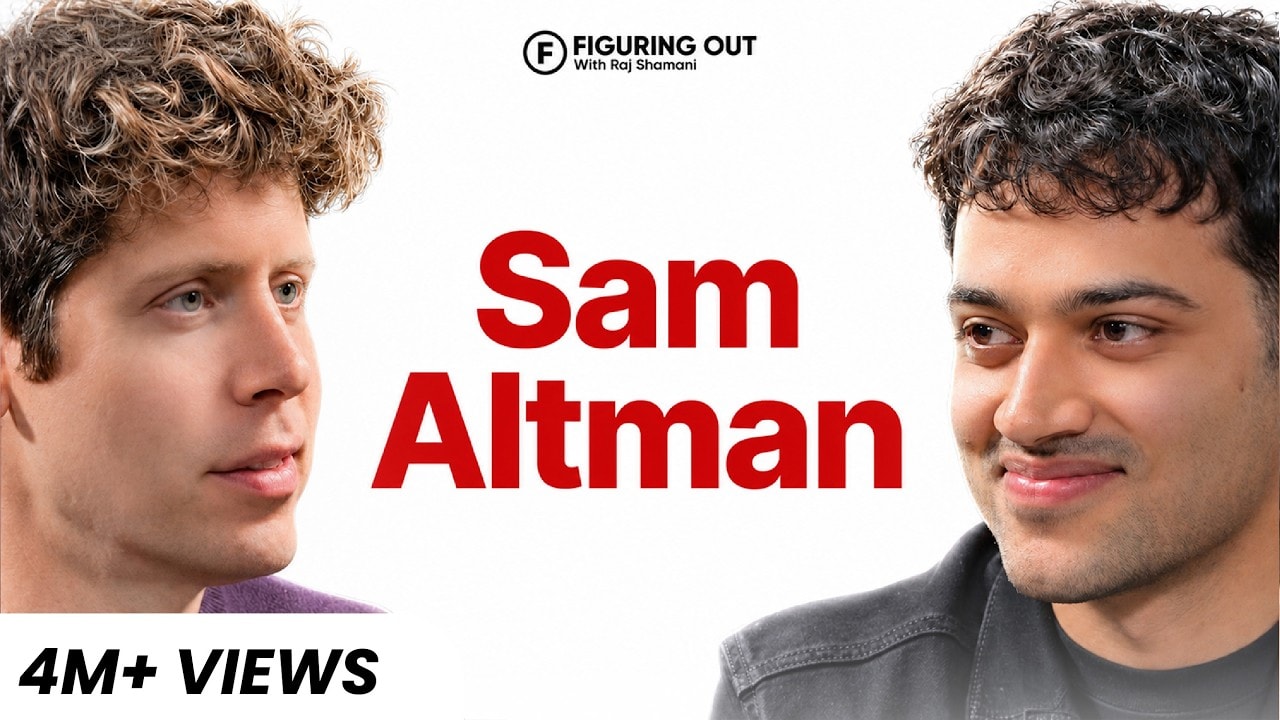
Figuring Out with Raj Shamani
Sam Altman sits with Raj Shamani for a conversation that is less about AI products and more about how his mind works: the bets, the insecurities, the culture, and the costs. FULL COVERAGE: notes span the entire episode (transcript 0:03 to 1:07:42 of 1:08:00). Sponsor: Levi's is named as the episode's styling partner in the intro; the mushroom drink at the end is a host gift moment, not a stated sponsorship. Everything Altman says about markets, user numbers, OpenAI and other people is his claim as spoken on November 3, 2026; nothing here is business, investment or life advice. He says India is OpenAI's biggest market in the world by users, bigger than the US, and links India's optimism about AI to fast-growing economies that need products and services. He walks through the one insight he has reapplied his whole career - scale produces surprising superlinear returns - and how seeing neural networks improve with scale, years before scaling laws existed, led to starting OpenAI in 2015 when it was an extremely low-status thing to do. He takes Raj inside the August 2022 decision to bet the company on compute after GPT-4 finished training, months before the world saw it, and admits he would not have had the conviction if the model had been even a little less smart. He confirms he launched ChatGPT against the mood of his own leadership team, armed with two YC lessons: be embarrassed by your first version, and a small number of people who love the product beats a crowd that merely likes it (the internal prototype's retention was around 5%, but those users loved it). On power, he names two ways this goes wrong - loss of control to far more capable systems, or one actor concentrating too much power - and argues for pluralism: many competing AI efforts. He calls not taking equity in OpenAI a mistake in hindsight because it confused people about his motives, describes the culture that made roughly 700 employees threaten to resign when he was fired, explains why co-founders and colleagues left to build their own efforts (when stakes feel existential, people only trust themselves), and closes with what he wants to build next: AI that discovers new science, and why he is comfortable with his kids growing up in the world he is helping create.
Think School: Indian Business Podcast
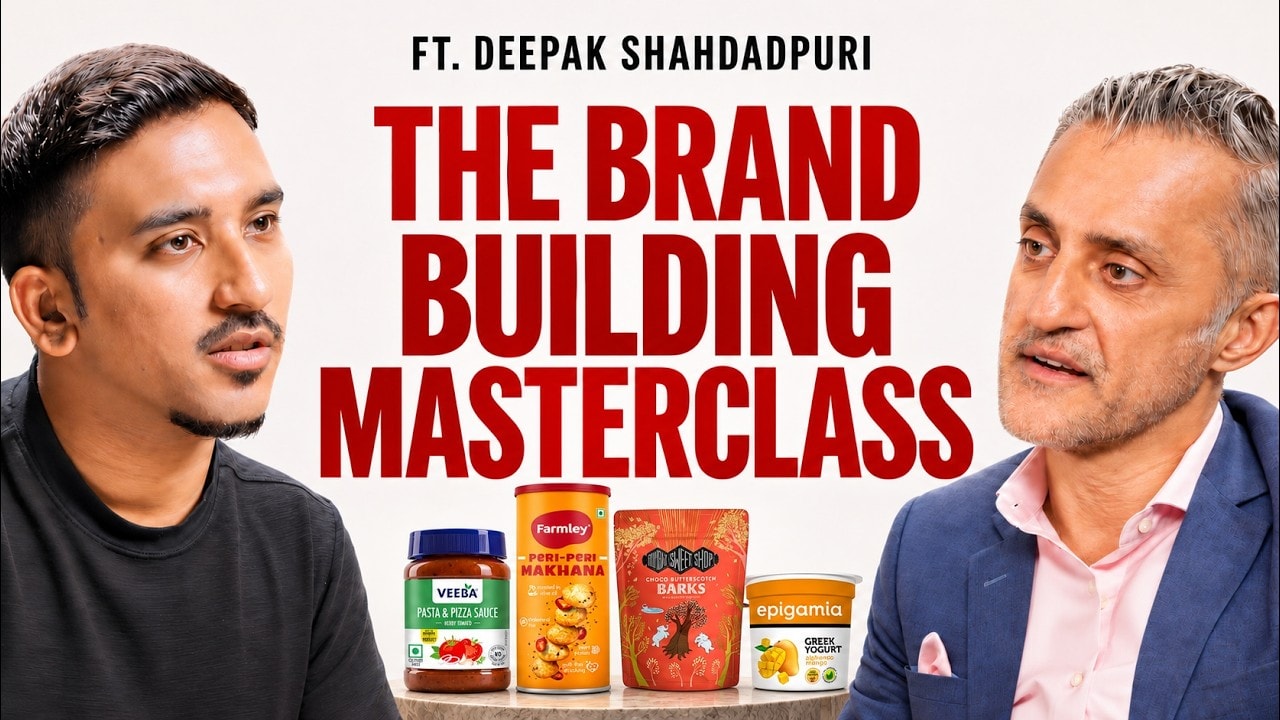
Think School flies to Singapore to sit down with Deepak Shahdadpuri, Managing Director of DSG Consumer Partners - the first venture fund in India dedicated to consumer brands (2012) - whose portfolio includes Sula, Veeba, Epigamia, Go Zero, Bombay Sweet Shop, Sleepy Owl, Farmley and Supertails. FULL COVERAGE: notes span the entire episode. Sponsor: Odoo (business apps suite; the episode promotes its e-commerce builder, first app free, then a per-user monthly price as stated). All market figures, fund rules and brand anecdotes are as stated by the guest and host; nothing here is investment, legal or business advice. The opportunity as framed: three paradigm shifts make this India's D2C decade - generational baggage (this generation refuses its parents' brands: VIP to Mokobara, Kissan to Veeba, Kurlon to The Sleep Company, so every thousand-crore legacy brand leaves room for a hundred-crore challenger), per-capita income rising from $2,800 toward $5,000, and new channels (Amazon and Nykaa minted boAt and Mamaearth; quick commerce and social commerce will mint the next wave). Yet starting is easy and scaling is near-impossible. Deepak's playbook: brands pass through awareness, trial, repeat and only then scale - the real value of a brand is repeat purchase, and a survey he cites finds 79% of brands would not be missed. He defines the 'basket breaker': the customer who closes the app rather than accept a substitute. Founder selection is people-first: a half hour on who you are before the deck, the 'why' behind the business (a PowerPoint TAM is a red flag), personality tests, and 3-10 portfolio founders meeting every candidate before investment - across 100-plus brands, founders solving a problem they personally lived have outperformed. The operating rules: 'You die with the gross margins you're born with' (Epigamia sells at 50 rupees against a 30-rupee cost; beauty portfolios run 72-73% gross margin, food and beverage 48-50%; price for margin on day one and do not live on discounts); watch the balance sheet, not just the P&L (7-to-45-day payment cycles have nearly sunk fast-growing brands); and learn to say no to business - factories and supply chains built for 30-40% growth cannot absorb 100%. His 'Insurge' screen for exceptional consumer companies: at least 1.5x capital efficiency, 30% three-year CAGR, and 75-plus crores of revenue - only 46 companies in his analysis qualify. On exits: most consumer brands will not go public; the playbook is to build insurgents that grow 2-6x faster than their categories (per the Bain insurgent-brands research he co-publishes) and sell to the Unilevers, ITCs and Maricos - Marico alone has bought six or seven brands in five years. White spaces he names: branded dry fruits and nuts (Farmley), pet care (Supertails, born when its founders became pet parents), baby food, senior living and adult incontinence, and the second-order effects of GLP-1 drugs - off-patent in India this March at about $25 a month - on taste, skin and beauty demand. He closes with the Sula arc (17 years to dominance, partial exits at years 7, 10 and 14), an honest admission that his second fund struggled from portfolio-construction mistakes, and advice for 25-year-olds: build for the cohort you yourself belong to.

How I Built This with Guy Raz
Guy Raz and Calendly founder Tope Awotona take four small-business calls: Newlane on margins and growth for a folding helmet, Playfield on keeping a pet-accessories brand running during a founder's leave, The Nail Room on expansion and family priorities, and ISlide on focus across sales channels. An opening Calendly update covers product change and building an initial software product; the close returns to serving a customer rather than falling in love with a product. Main theme: entrepreneurship, customer acquisition, operations, delegation and expansion decisions. AI is an opening product-business update and brief closing sales-tool example, not the main theme of the four calls. Parenting, pregnancy and personal identity are context for operating choices, not medical or mental-health instruction. Generalizations about children or parents are personal remarks, not established facts. Helmet safety certifications, uniqueness, prices, salon nail-health claims, business revenue, margins, growth and product capabilities are attributed claims, not independently verified recommendations or current terms. No helmet is recommended as safe on the strength of this conversation, and no manicure treatment protocol is provided. Possible childcare, alcohol or other service additions are brainstorming, not a reviewed operating plan; licensing, safety, insurance and customer needs require separate checks. The hosts' views on focus differ in emphasis: Tope favors concentrating effort on stronger channels while Guy also sees value in a broad channel mix with larger orders. Neither position is presented as a guaranteed answer. Founder leave and growth remain each owner's choices; no promise of success or instruction to work through childbirth is adopted. The ending extract about personal savings, retirement accounts and high-interest borrowing is a historical founding story, not financing advice. Source names are kept to the verified business names and callers' given names where transcription of surnames is uncertain. FULL COVERAGE: entire downloaded publisher RSS audio in 58 sequential chunks; sparse chunks 34,45,57 checked in halves. Actual57:41 versus RSS60:48. Publisher-audio edition only, not a claim of equivalent YouTube content or timestamps. Ads/promotions heard: Anthropic/Claude, NPR's Machine Gods and Phoebe Judge's Criminal live tour. Own-show promotions: the original Calendly interview and Guy Raz's newsletter/Substack. The RSS notes call this the final Advice Line episode; this was not separately announced in the downloaded closing audio. Verified publisher show artwork is retained because the item has no separate episode image. Informational only, not personalized financial, legal or medical advice. PREPUBLICATION: Check existing published and unpublished editions, including original/reissue aliases, before creating or publishing this conversation again. Confirm the chosen cover and guest portrait against the intended edition. A generic show cover or a guest photo is not verified main-video artwork. Figures, roles and opinions describe the historical interview. Product, health, legal and financial claims are not independent conclusions.
The Think Media Podcast
Sean Cannell of Think Media breaks down the three mistakes that stop YouTube views from becoming paying clients: packaging that never earns the click, messaging that skips the viewer's symptoms, and calls to action that are mistimed or hard to follow. Views expressed are the host's own; this podcast is for informational purposes only and not business advice. Sponsor read in the publisher audio: vidIQ. Notes based on the publisher's full audio edition. FULL COVERAGE: these notes cover the complete episode from start to finish.
The Think Media Podcast
Mark Manson, best-selling author whose breakout book sold over 20 million copies, joins Sean Cannell to lay out the new personal-brand playbook: choose who is not going to like you, practice 'costly honesty', and combine two or three unexpected elements into a position nobody can copy. He explains why AI-generated content makes trust and human point of view more valuable, why creator-economy money is splitting between the very top and the long tail, why education content is getting longer and less produced, and how he would rebuild from zero in 2027 - writing volume on X and Substack first, monetizing, then pivoting into podcasting. Views expressed are the host's and guest's own; this podcast is for informational purposes only and not business advice. Sponsor read in the publisher audio: myytplan.com (the host's own One Video Away workshop); intro and outro also promote Think Media's viralvideocoach.com. Notes based on the publisher's full audio edition. FULL COVERAGE: these notes cover the complete episode from start to finish.

How I Built This with Guy Raz
Insomnia Cookies founder Seth Berkowitz joins Guy Raz for three small-business calls. Kahindo is rebuilding a fashion brand after losing wholesale accounts; Tara wants to introduce customers to Sauna Societé hats; Carol is deciding how Desden should market collegiate bags when a family member buys for a student. The opening update covers Insomnia's expansion ambitions, company-operated stores, control over product quality and the idea that a brand must earn growth through customer demand. Main theme: entrepreneurship, customer acquisition, product focus, experiential selling and channel decisions. Sauna, hair-protection, heat-tolerance and health-benefit claims are secondary product context in one call, not medical advice or independently established facts. No claim that a hat makes prolonged heat exposure safe is adopted. The caller's15-20minute remark is not a recommended duration or a treatment protocol; do not infer safety from comfort or from this summary. Sauna and cold-plunge anecdotes are not health recommendations. The episode does not establish venue policies or bag acceptance; the caller's historical stadium-policy account is not a current rule. Store counts, growth plans, revenues, margins, licenses, customer claims and price examples are attributed, dated statements, not checked current figures. The hosts' suggestions about partnerships, samples, QR codes, promotions and discounts are experiments, not guaranteed results; privacy, contest rules, licensing, margins and operations need separate checks before execution. Insomnia's company-operated model is Seth's choice, not proof that franchising is wrong for everyone. FULL COVERAGE: all downloaded publisher audio reviewed in41sequential chunks; the final3.5second chunk was also checked in halves (closing words, then no speech). Actual40:04rounded from2403.500seconds versus RSS43:48. Publisher-audio edition only, not a claim about unverified YouTube content or timestamps. RSS and Apple date isOct23,2026; some third-party transcript indexes displayOct22, not used as the source date. Ads/promotions heard: NPR's Machine Gods. Own-show promotions: the original2024Insomnia interview, Advice Line submissions and Guy Raz's newsletter/Substack. Closing archive extract recounts the founder's losses, staff cuts and18months without pay; it is a historical hardship story, not an instruction to stop paying oneself. The item has no separate episode image, so verified show artwork is retained. Informational only, not personalized business, financial, legal or medical advice. Guest portrait is still unresolved; this spec must not be published until that gap is filled. PREPUBLICATION: Check existing published and unpublished editions, including original/reissue aliases, before creating or publishing this conversation again. Confirm the chosen cover and guest portrait against the intended edition. A generic show cover or a guest photo is not verified main-video artwork. Figures, roles and opinions describe the historical interview. Product, health, legal and financial claims are not independent conclusions.
The Think Media Podcast
Evan Pettrey, creator of the Family at Sea cruise channel, tells Nathan Eswine how he went from a dad in his 40s with no on-camera experience to monetization in two months and a $123,000 first-year YouTube business - with 60-70% of revenue from partnerships and affiliates rather than AdSense. He explains his partnership system with a travel agency, the subscribers-per-200-views metric he uses to predict breakouts, why he split family vlogs onto a second channel, how he negotiates sponsorships with test-video data, and how AI copycat channels pushed him toward more personal content. Views expressed are the host's and guest's own; this podcast is for informational purposes only and not business or financial advice. Sponsor read in the publisher audio: Riverside (code thinkmedia); intro and outro also promote Think Media's own viralvideocoach.com and thinkmediamastermind.com. Notes based on the publisher's full audio edition. FULL COVERAGE: these notes cover the complete episode from start to finish.
Think School: Indian Business Podcast
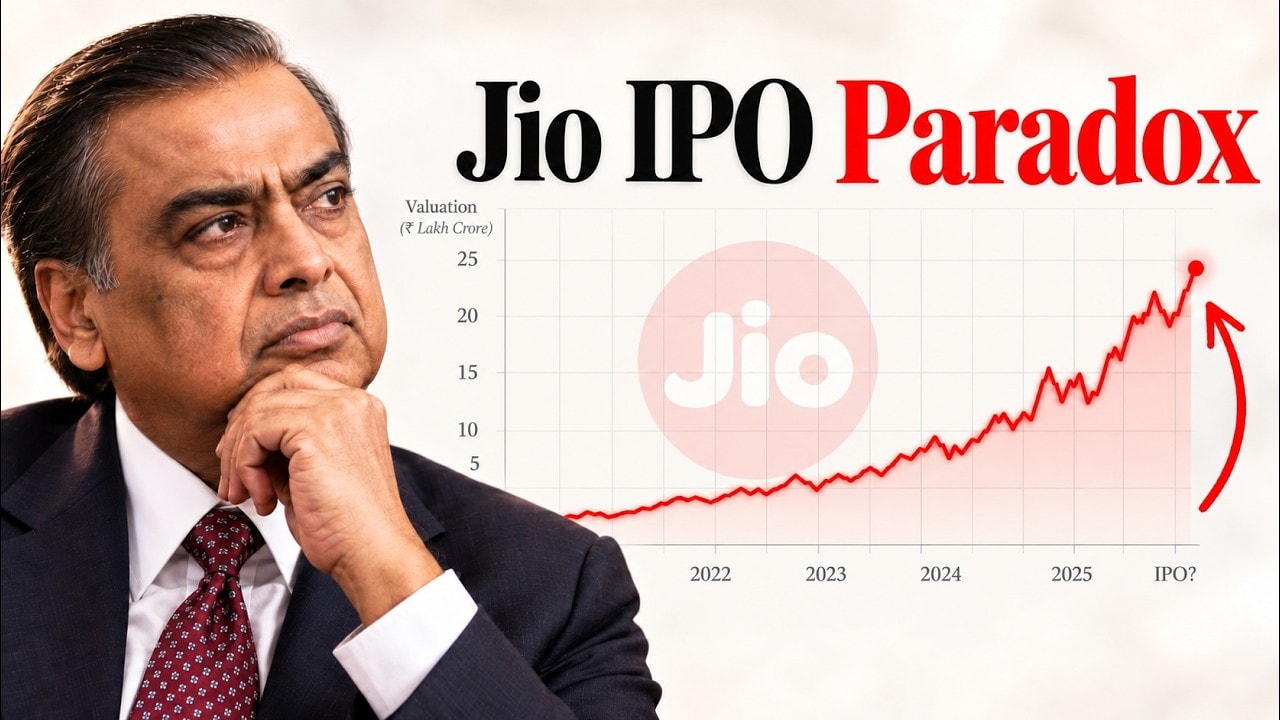
Think School reads Jio's 528-page draft IPO prospectus beyond the headlines. The video lays out Jio's headline numbers of 1.46 lakh crores in revenue, about 30,000 crores in profit and 524 million customers, then explains the business as one equation - revenue equals users times average revenue per user - across a six-level pyramid from 2G India to enterprises. It surfaces three things it says the headlines are missing: an outstanding spectrum obligation of 1.04 lakh crores that costs about 40 percent of profits a year until 2038, a deferred tax pile of 55,611 crores that kept the actual tax paid at 118 crores against a 10,300 crore paper bill, and a real free cash flow of about 20,300 crores that needs roughly 18 rupees more per user per month to hold steady. It closes with four growth engines - recharge prices, home broadband, small business digitization and AI distribution - and three risks: price-sensitive customers, the next capex cycle and satellite internet. FULL COVERAGE: the captions appear to cover the entire episode. All figures are as read from the DRHP by the channel, not independently verified, and the channel states it is not a SEBI registered adviser. Sponsor: none stated in the episode. Nothing here is investment advice.
The Think Media Podcast
Sean Cannell interviews Jenny Hansen Lane, a former wedding photographer and mother of three who teaches Amazon Kindle Direct Publishing. Lane says her overall business is reaching consistent $100,000 months; the host describes more than $2 million in total revenue. Those are reported business results, not verified profit figures or typical earnings. They discuss simple webcam production, intent-based videos, documenting an unfinished journey, a $33 first-book offer, audience feedback, hopeful rather than fear-based marketing, paid traffic, and marketing books. Lane also connects her approach to faith, authenticity and an abundance mindset. Notes are based on the publisher's full audio edition. FULL COVERAGE: these notes cover the complete publisher audio from start to finish. The RSS description says this episode has no outside sponsor; the audio promotes Think Media's own viralvideocoach.com/VRA Elite and the One Video Away workshop at myytplan.com. Claims and opinions belong to the speakers. Informational only, not business, financial, legal or publishing-policy advice.
WTF is with Nikhil Kamath
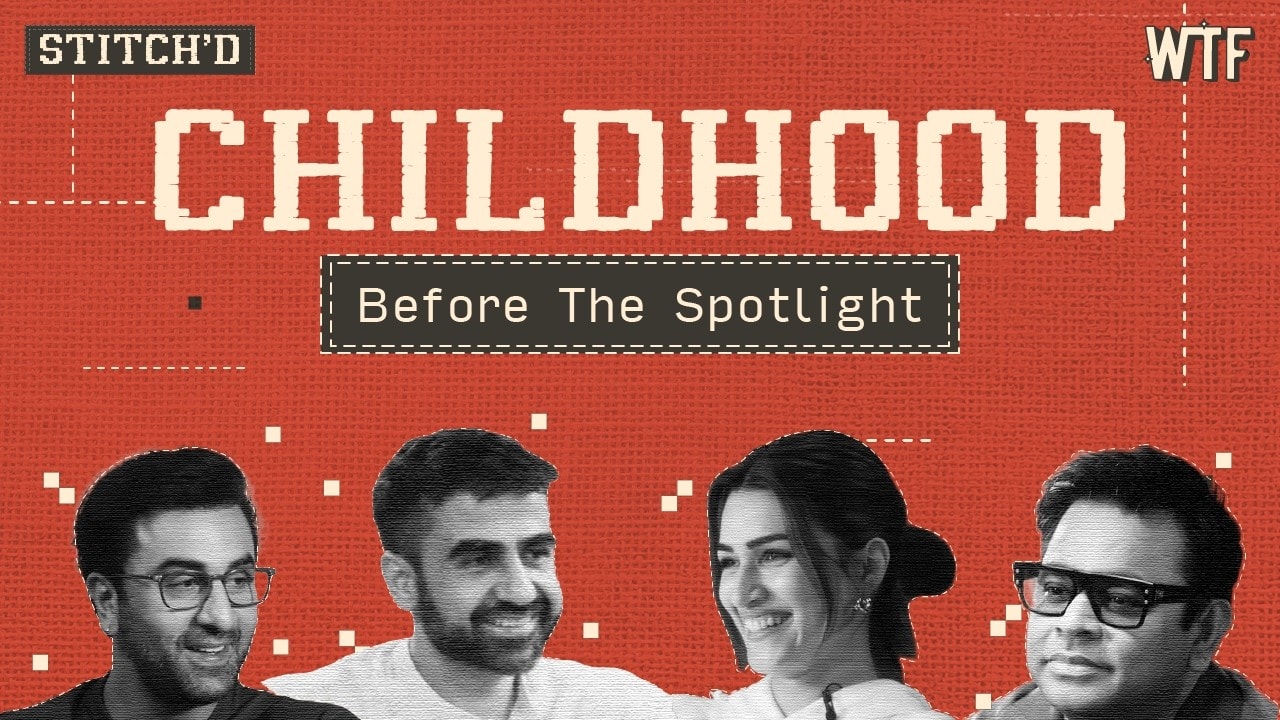
Before the fame, what were they like? This Stitch'd montage rewinds to the childhoods of Ranbir Kapoor, Kriti Sanon and other well-known Indians from film, music, cricket and business. Ranbir Kapoor recalls Bombay Scottish, canes and duster-on-knuckles discipline, 54.3% in his 10th boards, dropping out of film school in New York and living on a $2 McDonald's menu for lunch and dinner because his father kept him on a tight budget. Kriti Sanon describes being an extremely shy, stage-frightened firstborn who hid in her mother's dupatta - until dance (five years of kathak at Kathak Kendra) gave her a stage. A rapper remembers being a government sub-divisional officer in Himachal Pradesh while writing for an underground Honey Singh; a composer raised by a single mother who rented out his late father's instruments; a cricketer from Mangalore who picked up a plastic bat at two and a half; and a founder from Indore who scaled his father's detergent business from 40 lakhs to ten times that in 18 months. FULL COVERAGE: the captions appear to cover the entire episode. The episode is a voice montage and does not always name each speaker on screen; these notes name only speakers confirmed by the video's title or clearly identifiable from the content itself, and quotes are verbatim from the captions. Sponsor: none stated in the episode. Nothing here is professional advice.

How I Built This with Guy Raz
Tara Bosch joins Guy Raz for three founder calls: XO Marshmallows on moving from direct sales into grocery, Vivi's Vacation on communicating the reason to choose its swimwear, and Romanticize Collective on whether to refine or change its experience-box subscription. An opening update covers Snackish and starting again after SmartSweets. Main theme: entrepreneurship, channel expansion, manufacturing, brand positioning, customer research and early product-market fit. Nutrition, sugar substitutes, digestion, diabetes and inflammation appear as secondary product-development discussion, not the main topic. Guy's allulose claims, the caller's ingredient and shelf-life statements, and Tara's historical formulation complaint are attributed statements, not verified health conclusions, food-safety guidance or dietary recommendations. No candy or chip is recommended as safe for daily consumption or for a medical condition. Ingredients, retailer exclusions, health claims, production changes and shelf-life extensions require qualified review and current validation; this episode is not a recipe, treatment protocol or regulatory approval. The hosts' suggestions are business hypotheses, not guaranteed outcomes. Revenues, margins, acquisition values, customer counts, retailer behavior and plans are dated, attributed claims rather than checked current facts. The experience-box discussion concerns a business model, not mental-health treatment or personal-development instruction. Brief AI comments and sponsor reads are incidental rather than an AI main theme. FULL COVERAGE: entire downloaded publisher audio reviewed in53sequential chunks, including final52checked in halves. Actual52:25 versus RSS47:48, with additional ad blocks in this edition; no missing-content or video-equivalence claim. Untimed sections avoid transferring source timestamps across editions. Ads/promotions heard: Upwork, Anthropic/Claude, Framer, Stripe Atlas/Treasury, State Street/SPY, Toast, NPR's Machine Gods, American Express Corporate, Taboola's Realize advertising platform (heard with inconsistent naming in ASR), Philadelphia cream cheese, Canva and Firefox/Mozilla. Promotions for the earlier SmartSweets interview and Guy Raz's newsletter/Substack are also included. Ad prices, credits, offers and product capabilities are not validated current terms. Closing extract from the earlier interview describes Tara's allegation about a manufacturer; it is not independently adjudicated or broadened here. Verified publisher show art retained; guest photo is captioned Tara Bosch, courtesy Snackish, in Canadian Grocer and was visually inspected. Informational only, not personalized financial, legal, medical or nutrition advice. PREPUBLICATION: Check existing published and unpublished editions, including original/reissue aliases, before creating or publishing this conversation again. Confirm the chosen cover and guest portrait against the intended edition. A generic show cover or a guest photo is not verified main-video artwork. Figures, roles and opinions describe the historical interview. Product, health, legal and financial claims are not independent conclusions.
Figuring Out with Raj Shamani
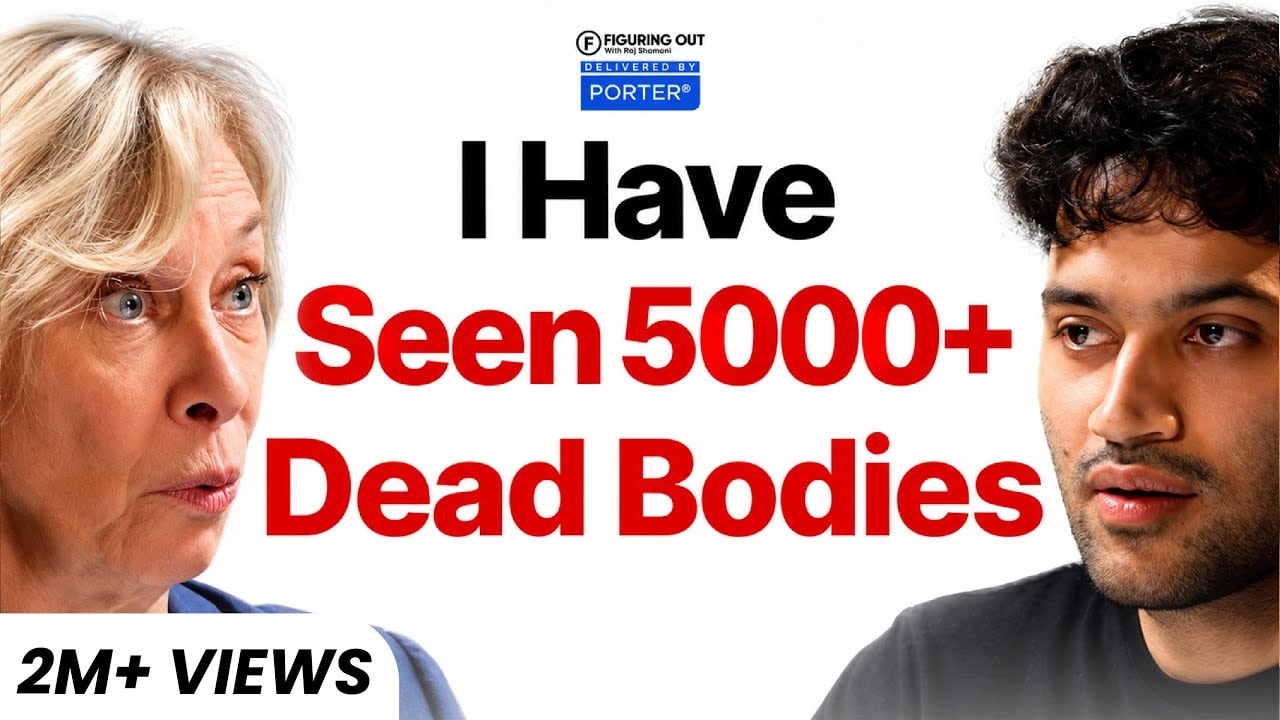
Raj Shamani's Figuring Out episode FO575, sponsored by Porter, in which Raj speaks with Barbara Butcher, a veteran New York death investigator who says she has investigated more than 5,500 deaths over two decades. Butcher explains how she reads a death scene: taking in the whole room before touching the body, using rigor mortis, lividity and body temperature to estimate time of death while insisting there is no precise method, and spotting staged crime scenes, moved bodies and faked suicides. She describes the difference between business and personal killings, recounts cases including a jealous husband, a staged burglary, a faked hanging and the 9/11 recovery work that left her shut down, and closes with the lessons death taught her about gratitude and living fully. FULL COVERAGE: the captions appear to cover the entire episode, and this summary highlights the investigation methods, cases and life lessons discussed. Butcher's accounts are her own recollections and opinions, not independently verified. This episode describes forensic investigation for general interest only; nothing here is medical, legal or safety advice.
The Think Media Podcast
In this keynote, Sean Cannell looks back on five mistakes as his YouTube work grew into a creator business: scattering his focus, doing everything himself, accepting opportunities without a filter, neglecting business operations, and avoiding hard conversations. He describes five stages from creator to creator CEO and an opportunity evaluator that weighs time, energy, resources, money and sanity against return, future value, personal development and lifestyle. Cannell reports over $37 million in company revenue and stresses that top-line revenue is not profit; figures and stage thresholds are his account, not independently verified results or earnings promises. The talk also discusses contracts, ownership, team culture and family trade-offs. Notes based on the publisher's full audio edition. FULL COVERAGE: complete publisher audio from start to finish. The RSS says no outside sponsor; audio promotes Think Media's VRA Elite strategy calls at viralvideocoach.com and One Video Away at myytplan.com. Opinions and claims are Cannell's. Informational only, not business, financial, tax, legal, medical or relationship advice.
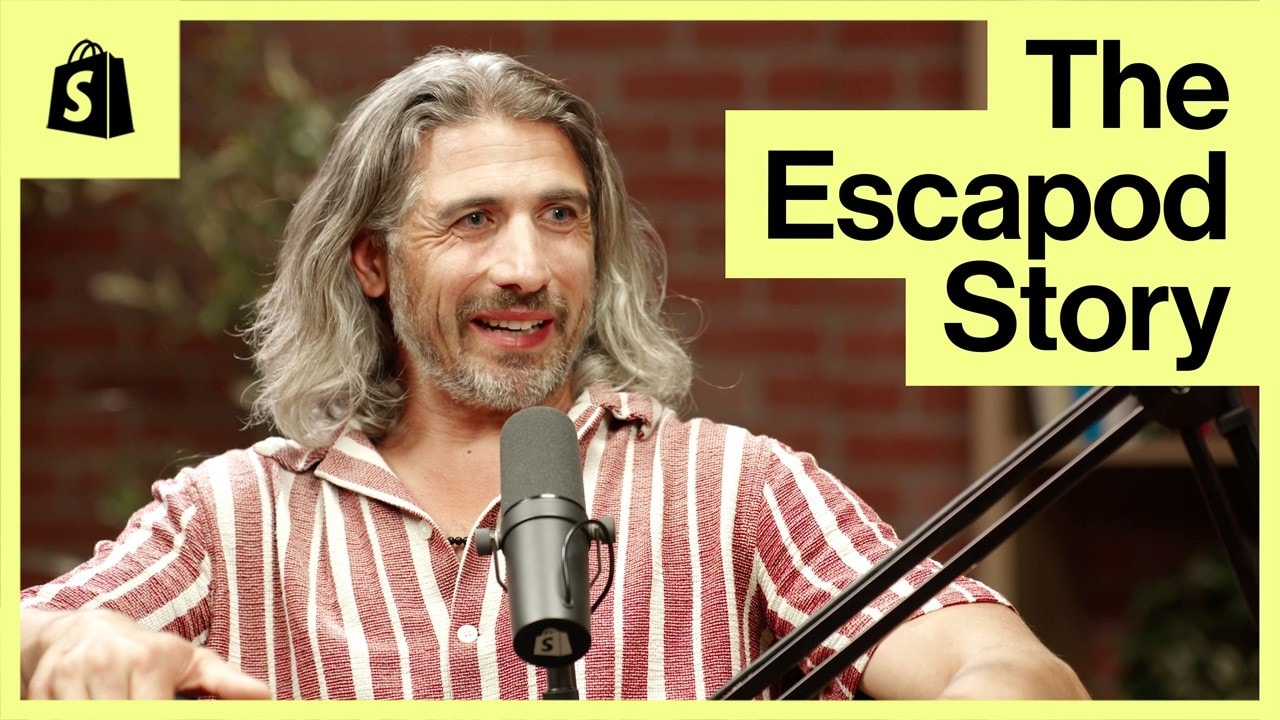
Shopify Masters
A Shopify Masters conversation hosted by Serena Smith with Chris Hudak, founder of Escapod, which builds and sells off-road camping trailers. Hudak explains how a trailer he built for himself turned into a business, what his hospitality career taught him about customer expectations, why he thinks process must come before automation, and how a rocket-ship growth period and a downturn shaped the company. Sponsor: Shopify, named in the show's trial message. PARTIAL COVERAGE: this note covers the opening, a middle section on automation and growth, and the close, and does not cover every part of the roughly 30 minute episode. Business figures, prices and timelines are Hudak's own account and are not independently checked. This is a summary of his views, not business, legal or financial advice.
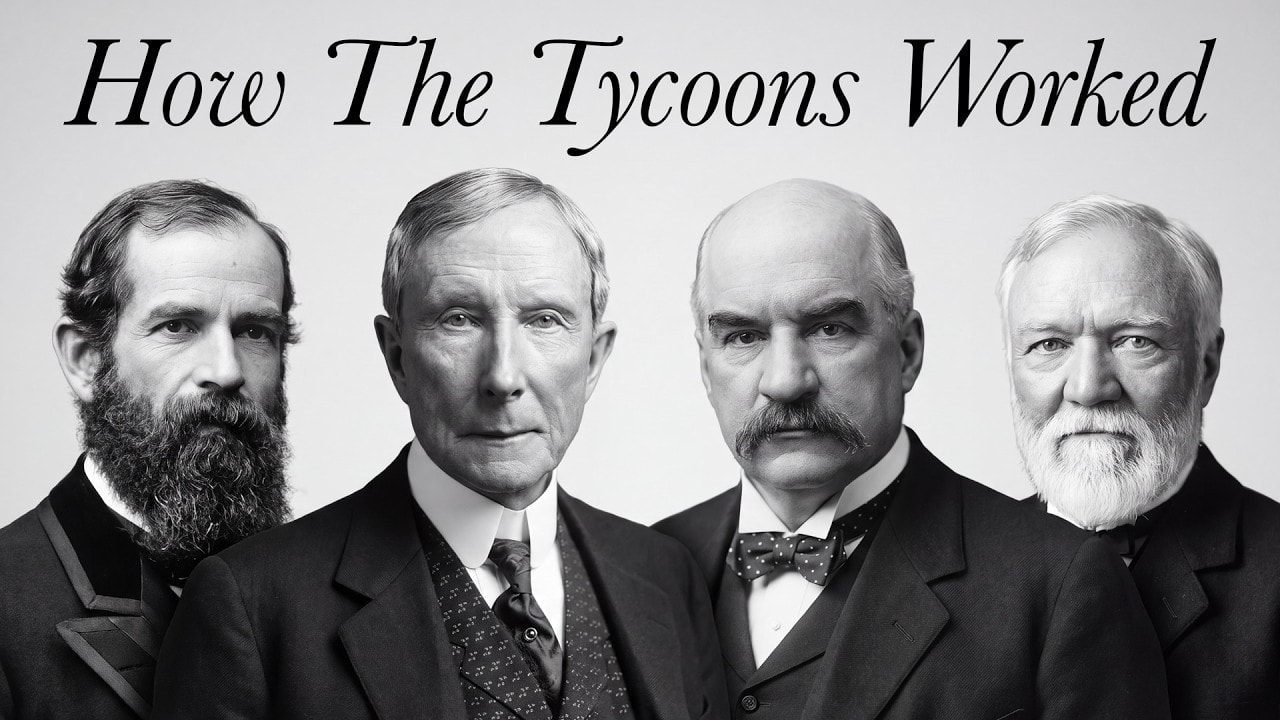
David Senra
David Senra draws out how Carnegie, Rockefeller, Gould and Morgan actually ran their businesses: they were young, not old, when they built; Rockefeller's blazing-price-war conquest method; Carnegie's hunt for the newest technology; and an American culture of invention that treated workers' ingenuity as an asset. TL;DR The tycoons won on speed and efficiency: Rockefeller was faster in apprehension and more deadly in execution, and once a target capitulated, his fair-price offer was still on the table. Coverage comes from the first ~49,800 characters, covering most of the 54-minute episode. Sponsor reads appear mid-episode. Details come from machine-generated captions and the guest's own claims; business figures are not independently checked. Topics are untimed; metadata follows YouTube. Source: https://youtubetotranscript.com/transcript?v=v9KYuIrJnZA
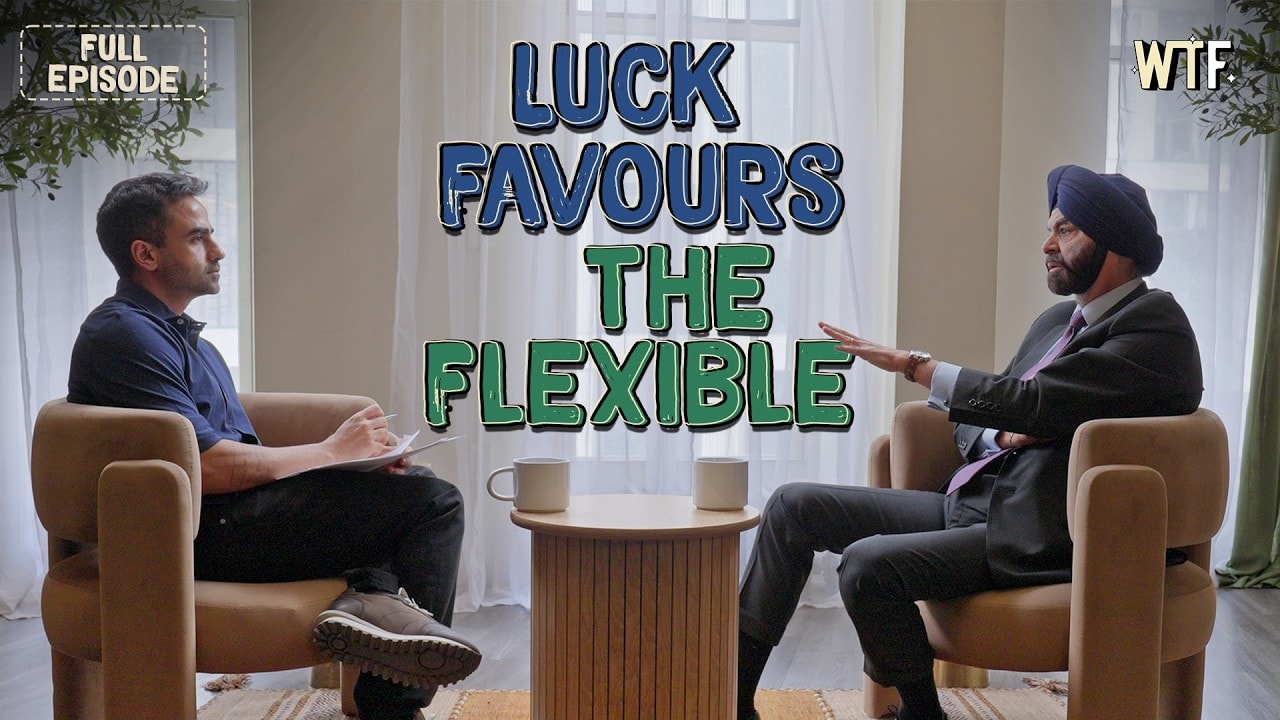
People by WTF
World Bank President Ajay Banga joins Nikhil Kamath to discuss his career, the bank's structure and why he places jobs at the center of reducing poverty. The conversation connects infrastructure, education, health, farming and local value creation with opportunity for young people. Economic figures and policy arguments are Banga's account in this interview.
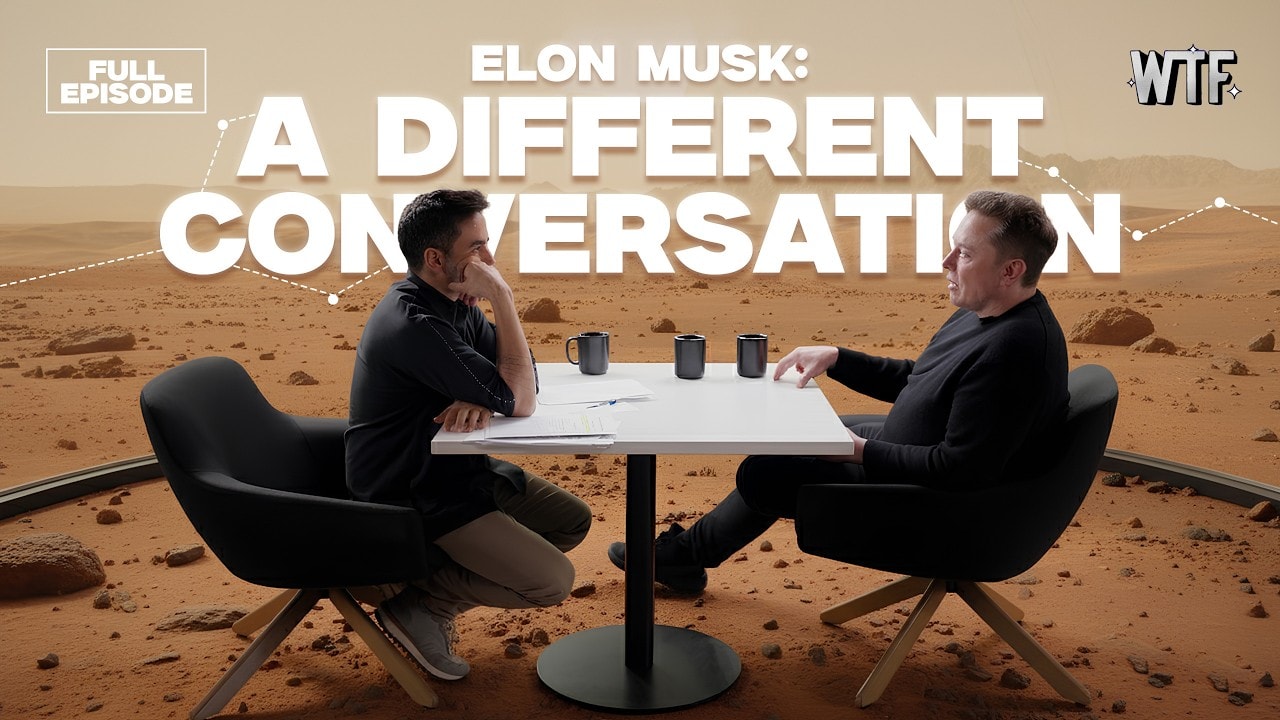
People by WTF
A long unscripted conversation with Elon Musk and Nikhil Kamath about work, consciousness, family, money, AI and how the future might unfold. They discuss social platforms, useful products, Tesla, SpaceX, xAI, Starlink, investing, college, morality and simulation theory. Musk’s forecasts are his opinions.
People by WTF
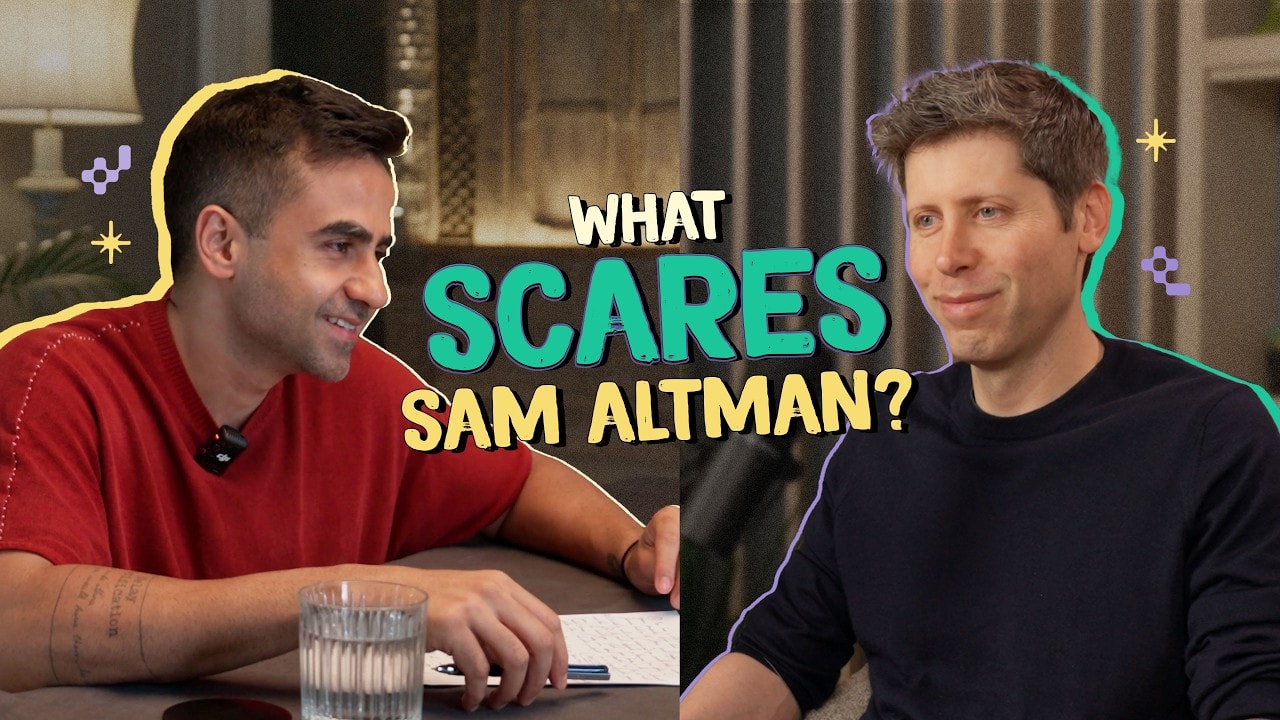
Nikhil Kamath asks Sam Altman about GPT-5, careers, building with AI, humility, parenthood and the future of business. Altman emphasizes AI fluency and learning to learn while acknowledging the difficulty of predicting beyond a few years. Recorded in 2025; product claims are Altman's account at the time, and economic predictions are not investment advice.
People by WTF
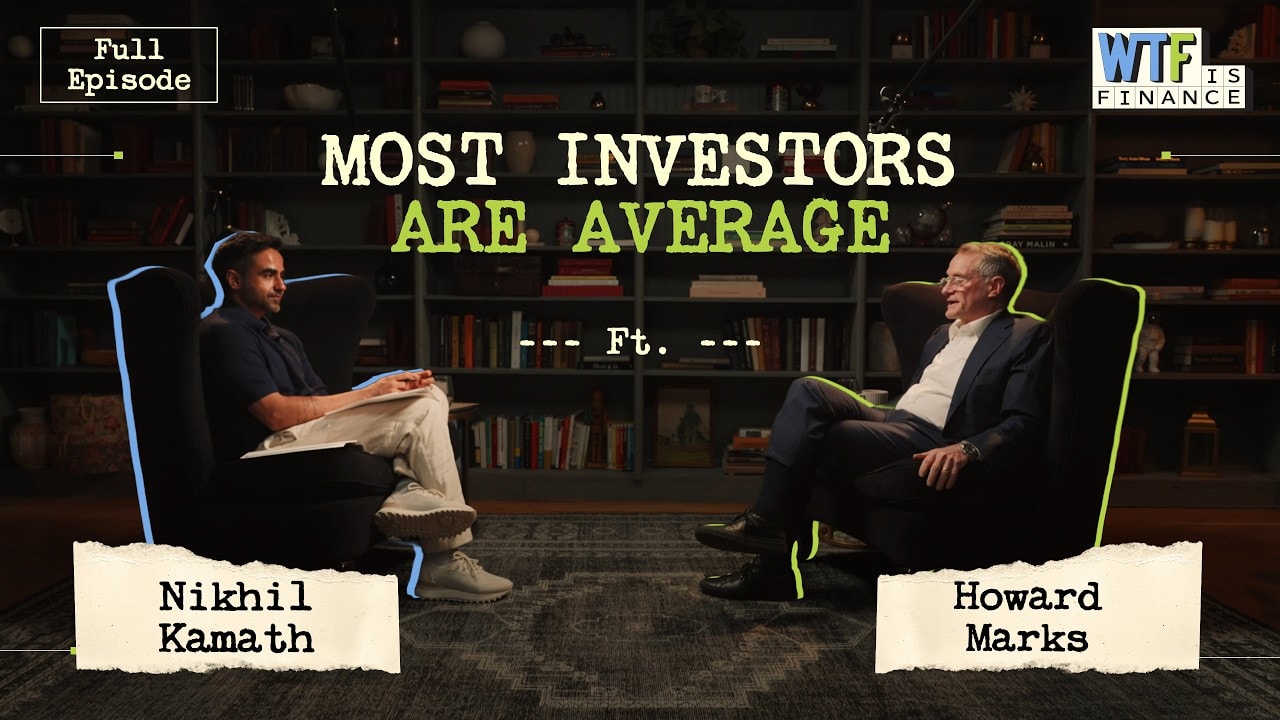
Nikhil Kamath asks Oaktree co-founder Howard Marks how he moved from Queens to Wall Street, why he chose bonds over stocks, and how market cycles and AI change investing. The conversation links careful credit analysis with second-level thinking and a willingness to keep learning. Educational summary, not investment advice.
People by WTF
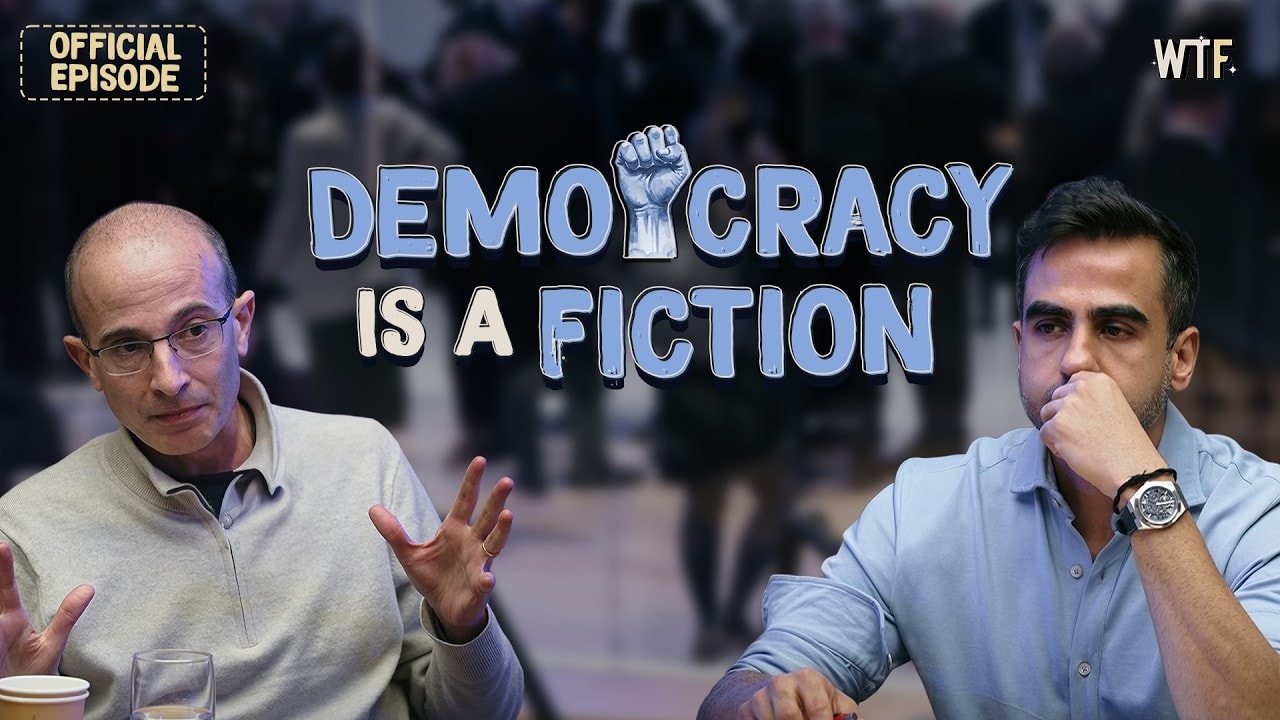
At Davos, Nikhil Kamath asks historian Yuval Noah Harari about shared stories, religion, power, democracy and AI. Harari argues that cynical thinking can excuse dishonesty, engagement metrics can damage public trust, and understanding suffering is a better guide than imagining a fixed role in a cosmic drama. Political judgments in these notes are his views, not settled facts.
People by WTF
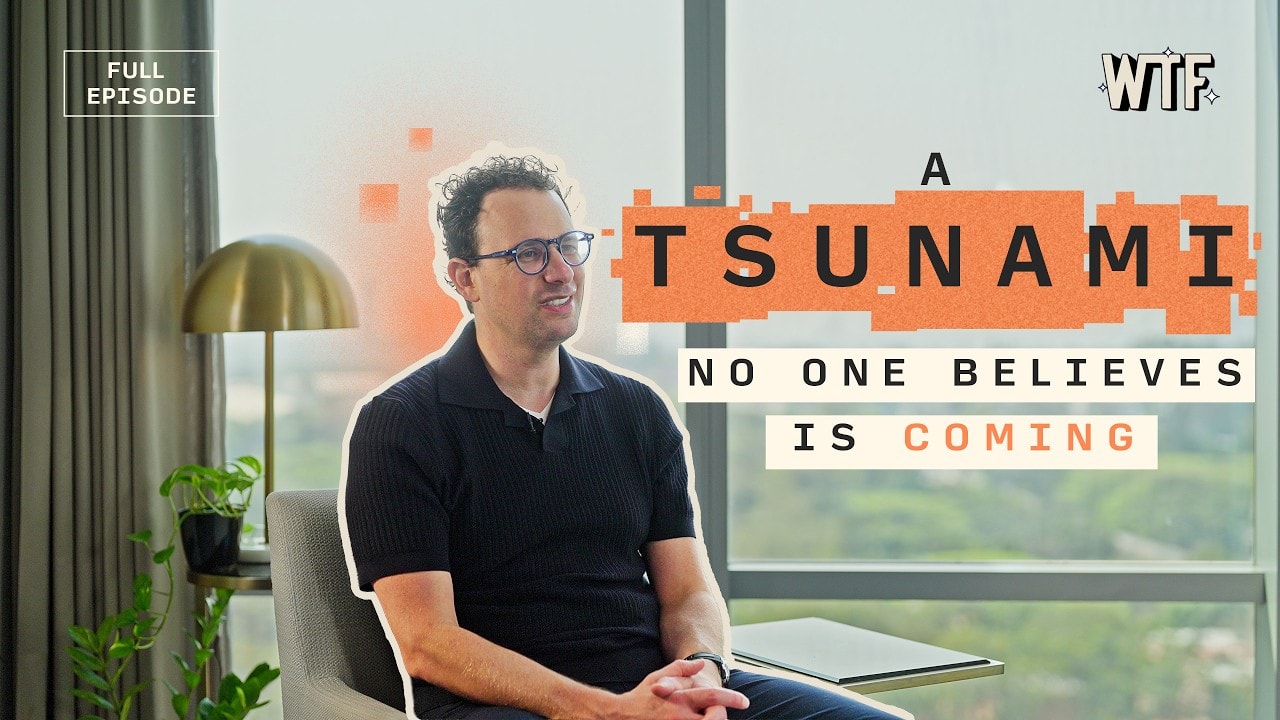
Nikhil Kamath asks Anthropic co-founder Dario Amodei about scaling laws, trust, AI risks and benefits, India's IT sector and opportunities for builders. Amodei argues for steering AI rather than simply stopping it, while warning that society may be unprepared. Company claims and forecasts are his own views, not independently verified findings or investment advice.
People by WTF
Nikhil Kamath and Chamath Palihapitiya discuss childhood pain, ambition, family and the shift from treating business as life-and-death to seeing it as a game. The conversation also covers investment conviction, position sizing, AI and politics. Personal and market claims are Palihapitiya's account, not independently verified findings or investment advice.
People by WTF
Nikhil Kamath asks Vinod Khosla about entrepreneurship, mission, education and adapting to AI. Khosla argues for first-principles thinking, broad learning and a five-year direction alongside near-term sales. Recorded 7 July 2025 and released 2 August 2025 in India; his predictions about jobs and technology are opinions, not settled facts or investment advice.
People by WTF
Dara Khosrowshahi discusses an authentic, collaborative leadership style, learning from competition and the difference between starting and scaling a business. He shares career criteria and his August 2025 outlook on AI in travel. These are his accounts and forecasts, not verified current Uber features, availability or policy.
People by WTF
A.R. Rahman talks with Nikhil Kamath about creative independence, musical influences, practice, artistic education and AI. He reflects on working across traditions, making space to experiment and what human participation brings to performance. Personal recollections and predictions are presented as his views from November 2025.

