Find key takeaways from long-form podcast conversations.
Found 28 results across 24 episodes, 1 podcasts, 2 people, 1 topics
Srini Sriniwasan is the Managing Director of Kotak Alternate Asset Managers (Kotak Alts), where he has spent three decades raising and investing billions of dollars across real estate, private equity, credit and infrastructure for global institutions and ultra-rich families in India.

Michael Ovitz co-founded Creative Artists Agency and built a career representing creative talent. In this January 2024 conversation, he discusses agency operations, storytelling, art, talent development and his later investing and advisory work.
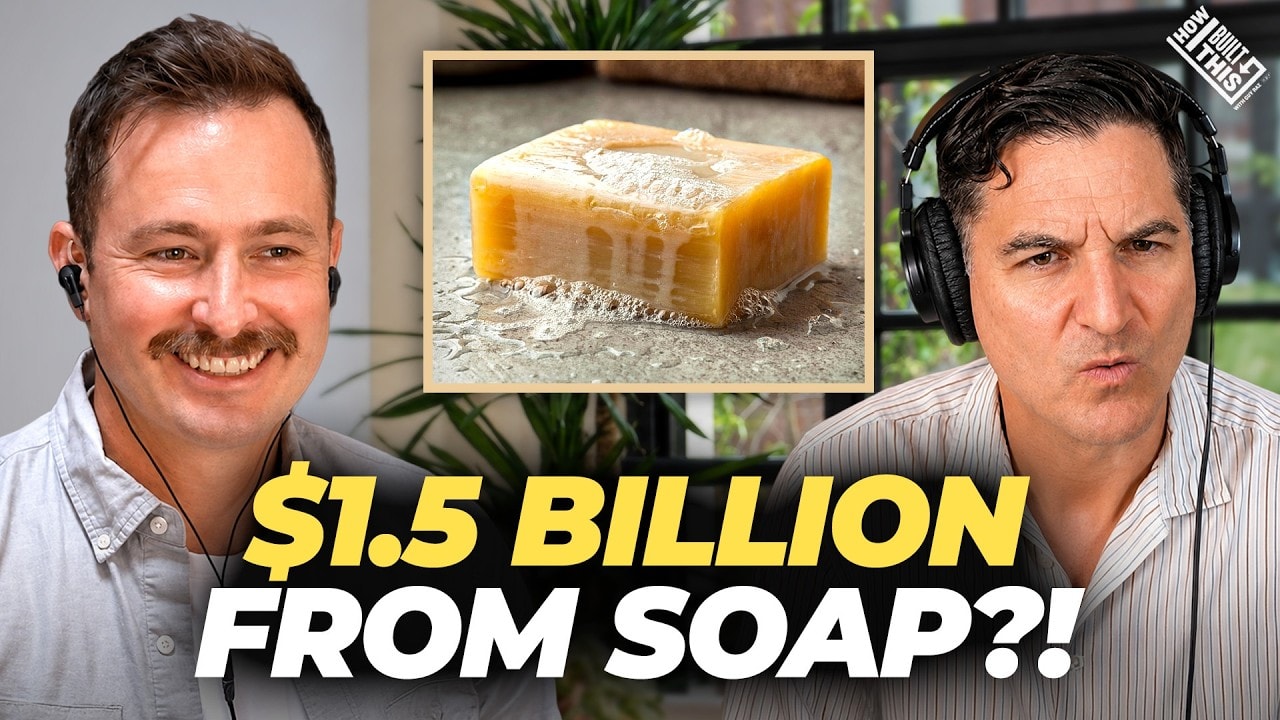
How I Built This with Guy Raz
Guy Raz interviews Dr. Squatch founder Jack Haldrup about turning a personal product discovery into a consumer brand. The story follows his consulting career, a small launch alongside paid work, family-run fulfillment, subscription-box sampling, a trademark-driven rebrand, the shift from search ads to Facebook, a difficult partner buyout and a cash squeeze. A humorous paid video becomes an acquisition engine, followed by outside investment, rapid hiring, product expansion, a majority sale, CEO succession and the move into retail. The close weighs execution against timing and luck. Main theme: entrepreneurship, branding, customer acquisition, cash management and founder succession. His psoriasis and personal product experience are origin-story context, not evidence that soap treats a condition. The speakers' claims about natural products, processing and skin benefits are not independently verified health conclusions; the raw-milk analogy is not nutrition advice or a recommendation to drink unpasteurized milk. No soap-making recipe or chemical-handling procedure is provided here. The host's million-times comparison between launch spending and a reported acquisition value is not an investor return or the founder's personal proceeds. Revenue, margins, customer acquisition costs, valuations, ownership, deal terms, video views and retailer mix are attributed historical recollections, not audited or current performance. In the 2019 sales discussion, the guest gives roughly $20-23 million and the host later says $25 million; no exact reconciliation is invented. Trademark and buyout stories are one participant's account, not legal findings or reusable contract advice. Facebook-era ad economics and the pandemic's commercial tailwinds do not predict today's results. Stress, exhaustion and family priorities are personal experiences, not diagnoses or a claim that overwork is necessary. FULL COVERAGE: entire downloaded publisher RSS audio, 77 sequential chunks; sparse chunk58 checked in two halves. Actual audio76:58 versus RSS80:13. This is the publisher-audio edition only, not a claim of YouTube-cut or timestamp equivalence. Ads/promotions heard: NPR's Machine Gods and Phoebe Judge's Criminal live tour. The Dr. Squatch commercial is a historical creative example within the interview, not separately identified as a current sponsor read. Closing promotions: following How I Built This and its new YouTube channel. Original YouTube thumbnail: How I Built This, "How a Soap Side Hustle Became a $1.5 Billion Business" (November 10, 2026), https://www.youtube.com/watch?v=XXFGVi0L9mw. The 63:18 video is a different cut of the same Jack Haldrup conversation. These notes cover the 76:58 publisher audio, not the YouTube cut; title, date and duration here refer to that audio edition. Informational only, not personalized financial, legal or medical advice.
Figuring Out with Raj Shamani
Raj Shamani with Gita Gopinath (former IMF Chief Economist, Harvard professor) on how money is created, central banks and inflation, why the US can borrow $38 trillion, dollar dominance and the yuan, tariffs and China's rerouting, the 'great gamble' of AI plus geopolitics, why she expects an AI correction, the IMF's Pakistan lending logic, global debt risk, and her advice to young people on learning in the AI age. FULL COVERAGE: notes span the entire episode (full audio transcribed, ~1:41:07). Sponsor: ASUS ExpertBook (read in intro). All economic claims, statistics and forecasts are the guest's views as of November 2026, attributed to her; nothing here is financial or investment advice.
Think School: Indian Business Podcast
Think School's Ganeshprasad with Girish Lakhotiya (Founder, Prachay Capital) on why Indian investors are stuck between a falling equity market and inflation-losing FDs, how bonds and the CAMEL/SGS frameworks work, why 'below AA is junk' is a myth, how Prachay's Bondsmart model retains 15-20% skin in the game, what happens in defaults (ILFS, DHFL recoveries), and when founders should raise via bonds instead of banks. FULL COVERAGE: notes span the entire episode (full audio transcribed, 0:00 to ~49:47 of 49:47). Sponsor: Odoo; the guest's own platform Bondsmart is discussed in the episode. All return figures, market statistics, recovery percentages and regulatory claims are the speakers' account as of November 2026, attributed to them, not independently verified; nothing here is financial or investment advice.
Figuring Out with Raj Shamani
Sam Altman sits with Raj Shamani for a conversation that is less about AI products and more about how his mind works: the bets, the insecurities, the culture, and the costs. FULL COVERAGE: notes span the entire episode (transcript 0:03 to 1:07:42 of 1:08:00). Sponsor: Levi's is named as the episode's styling partner in the intro; the mushroom drink at the end is a host gift moment, not a stated sponsorship. Everything Altman says about markets, user numbers, OpenAI and other people is his claim as spoken on November 3, 2026; nothing here is business, investment or life advice. He says India is OpenAI's biggest market in the world by users, bigger than the US, and links India's optimism about AI to fast-growing economies that need products and services. He walks through the one insight he has reapplied his whole career - scale produces surprising superlinear returns - and how seeing neural networks improve with scale, years before scaling laws existed, led to starting OpenAI in 2015 when it was an extremely low-status thing to do. He takes Raj inside the August 2022 decision to bet the company on compute after GPT-4 finished training, months before the world saw it, and admits he would not have had the conviction if the model had been even a little less smart. He confirms he launched ChatGPT against the mood of his own leadership team, armed with two YC lessons: be embarrassed by your first version, and a small number of people who love the product beats a crowd that merely likes it (the internal prototype's retention was around 5%, but those users loved it). On power, he names two ways this goes wrong - loss of control to far more capable systems, or one actor concentrating too much power - and argues for pluralism: many competing AI efforts. He calls not taking equity in OpenAI a mistake in hindsight because it confused people about his motives, describes the culture that made roughly 700 employees threaten to resign when he was fired, explains why co-founders and colleagues left to build their own efforts (when stakes feel existential, people only trust themselves), and closes with what he wants to build next: AI that discovers new science, and why he is comfortable with his kids growing up in the world he is helping create.
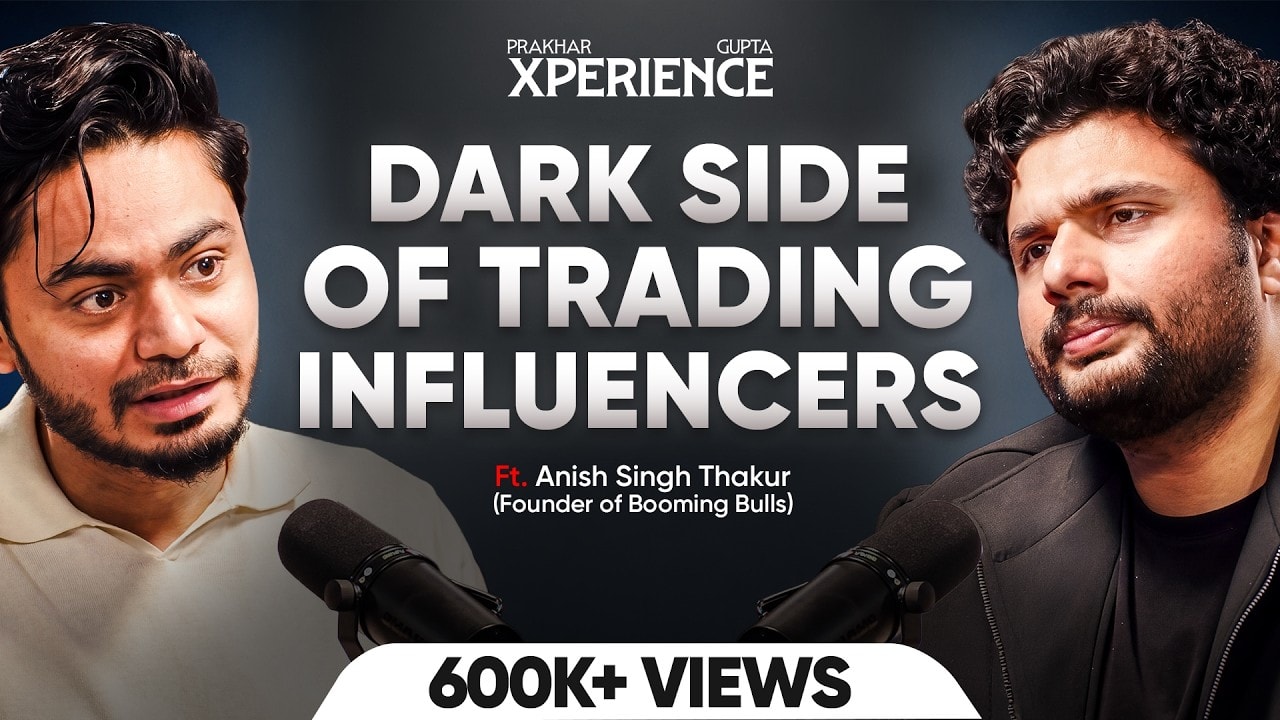
The Prakhar Gupta Xperience
Prakhar Gupta sits with Anish Singh Thakur (Booming Bulls) for PGX Raw & Real on trading, market psychology and the trading-influencer economy. The conversation is in Hindi/Hinglish; site notes are in English and quotes are faithful translations marked as translated. FULL COVERAGE: notes span the entire episode. Sponsor: none stated (the episode carries a YouTube collab tag with Booming Bulls and plugs the show's own Amazon Music early release). All market levels, statistics and anecdotes - including the SEBI loss data Prakhar cites and Anish's claims about paid Trump-tip groups and Elon Musk - are as stated by the speakers at record time; nothing here is investment, trading or financial advice. Anish opens on war-driven markets: oil's swings around the Strait of Hormuz tensions, why news always lags price, the claim that paid groups sell advance notice of Trump's posts and that hundreds of millions are shorted minutes before announcements, and why markets discount everything - with FIIs and HNIs (he names BlackRock, Bank of America, Chase, and cites Rakesh Jhunjhunwala as the HNI archetype) driving 80-90% of the market while retail are small fish reading the wake. On India: the market is 15% off its high with the PE near COVID levels, FIIs have fled over rupee depreciation, taxes and war, and Nifty sits at the weekly 200 EMA - the same technical level as 2020, 2016 and 2008 - which he calls a good time to invest while insisting viewers do their own research. The core teaching is emotional, not technical: the market's biggest edge is emotions, not information. He tells on himself - the January 31 gold crash where a 5% drop triggered greed, he skipped the stop loss on a fundamental trade and took a heavy loss on a day he says bankruptcies hit even large companies. His system: asymmetric risk-reward (risk 1 to make 3-4, so a 40% win rate still profits), cut losers at the exact planned point, hold and trail winners, 2-3 trades a day, and no trade when there is no setup. He separates trading (income) from investing (wealth) and moves profits into Dubai stocks, crypto and Indian equities. On the influencer industry he is unusually direct: Lambo-Ferrari-cash content with no substance is an extreme red flag, binary trading promotion is the biggest red flag, brand deals and broker referrals (20-30% of spread) are his own first big income - more than courses, which broke even after offline centers - and he describes shady marketing accounts where unlicensed brokers fund fake traders and later refuse withdrawals, which he avoids to protect credibility. He closes on recovery-trap psychology (most people start trading to recover a loss, and never escape it), his own structure (a 15-30 person team running his printed rule sets; his brothers' team holds his money and he keeps only limited funds within reach), Dubai's watch-and-number-plate status culture, and his money philosophy: money is an outcome of what you build inside yourself - plus his upcoming trading reality show.
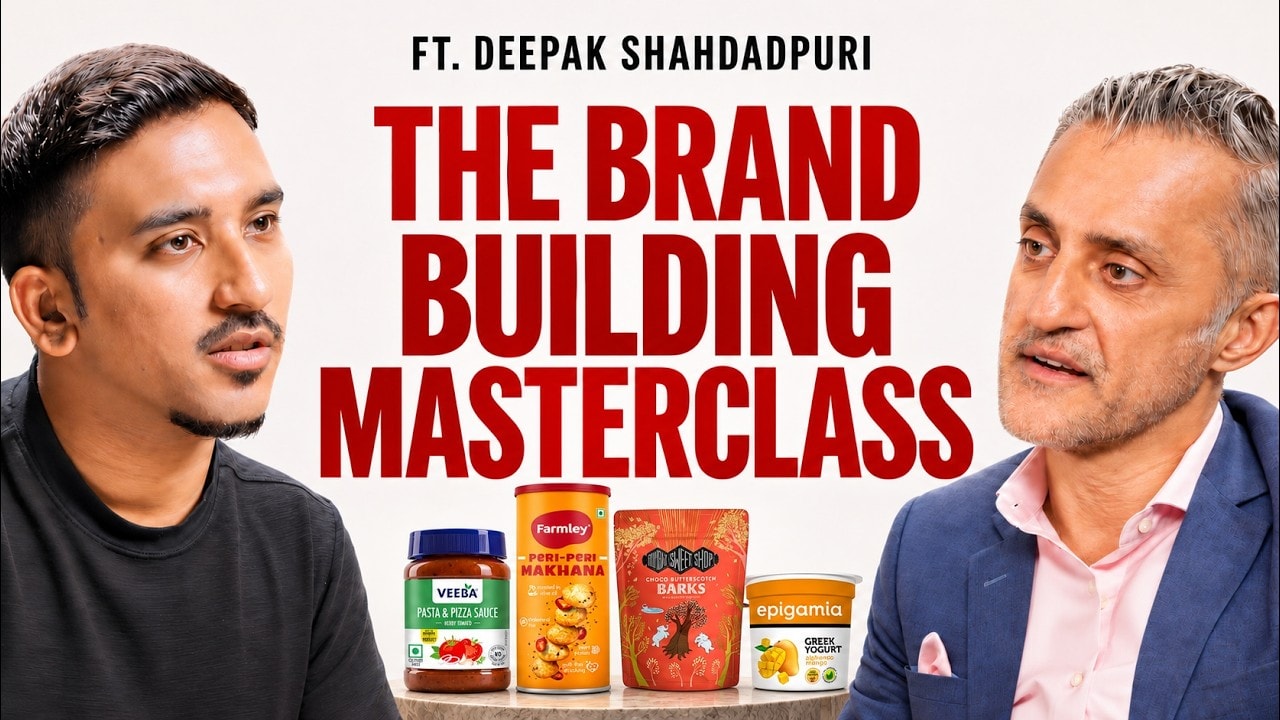
Think School: Indian Business Podcast
Think School flies to Singapore to sit down with Deepak Shahdadpuri, Managing Director of DSG Consumer Partners - the first venture fund in India dedicated to consumer brands (2012) - whose portfolio includes Sula, Veeba, Epigamia, Go Zero, Bombay Sweet Shop, Sleepy Owl, Farmley and Supertails. FULL COVERAGE: notes span the entire episode. Sponsor: Odoo (business apps suite; the episode promotes its e-commerce builder, first app free, then a per-user monthly price as stated). All market figures, fund rules and brand anecdotes are as stated by the guest and host; nothing here is investment, legal or business advice. The opportunity as framed: three paradigm shifts make this India's D2C decade - generational baggage (this generation refuses its parents' brands: VIP to Mokobara, Kissan to Veeba, Kurlon to The Sleep Company, so every thousand-crore legacy brand leaves room for a hundred-crore challenger), per-capita income rising from $2,800 toward $5,000, and new channels (Amazon and Nykaa minted boAt and Mamaearth; quick commerce and social commerce will mint the next wave). Yet starting is easy and scaling is near-impossible. Deepak's playbook: brands pass through awareness, trial, repeat and only then scale - the real value of a brand is repeat purchase, and a survey he cites finds 79% of brands would not be missed. He defines the 'basket breaker': the customer who closes the app rather than accept a substitute. Founder selection is people-first: a half hour on who you are before the deck, the 'why' behind the business (a PowerPoint TAM is a red flag), personality tests, and 3-10 portfolio founders meeting every candidate before investment - across 100-plus brands, founders solving a problem they personally lived have outperformed. The operating rules: 'You die with the gross margins you're born with' (Epigamia sells at 50 rupees against a 30-rupee cost; beauty portfolios run 72-73% gross margin, food and beverage 48-50%; price for margin on day one and do not live on discounts); watch the balance sheet, not just the P&L (7-to-45-day payment cycles have nearly sunk fast-growing brands); and learn to say no to business - factories and supply chains built for 30-40% growth cannot absorb 100%. His 'Insurge' screen for exceptional consumer companies: at least 1.5x capital efficiency, 30% three-year CAGR, and 75-plus crores of revenue - only 46 companies in his analysis qualify. On exits: most consumer brands will not go public; the playbook is to build insurgents that grow 2-6x faster than their categories (per the Bain insurgent-brands research he co-publishes) and sell to the Unilevers, ITCs and Maricos - Marico alone has bought six or seven brands in five years. White spaces he names: branded dry fruits and nuts (Farmley), pet care (Supertails, born when its founders became pet parents), baby food, senior living and adult incontinence, and the second-order effects of GLP-1 drugs - off-patent in India this March at about $25 a month - on taste, skin and beauty demand. He closes with the Sula arc (17 years to dominance, partial exits at years 7, 10 and 14), an honest admission that his second fund struggled from portfolio-construction mistakes, and advice for 25-year-olds: build for the cohort you yourself belong to.
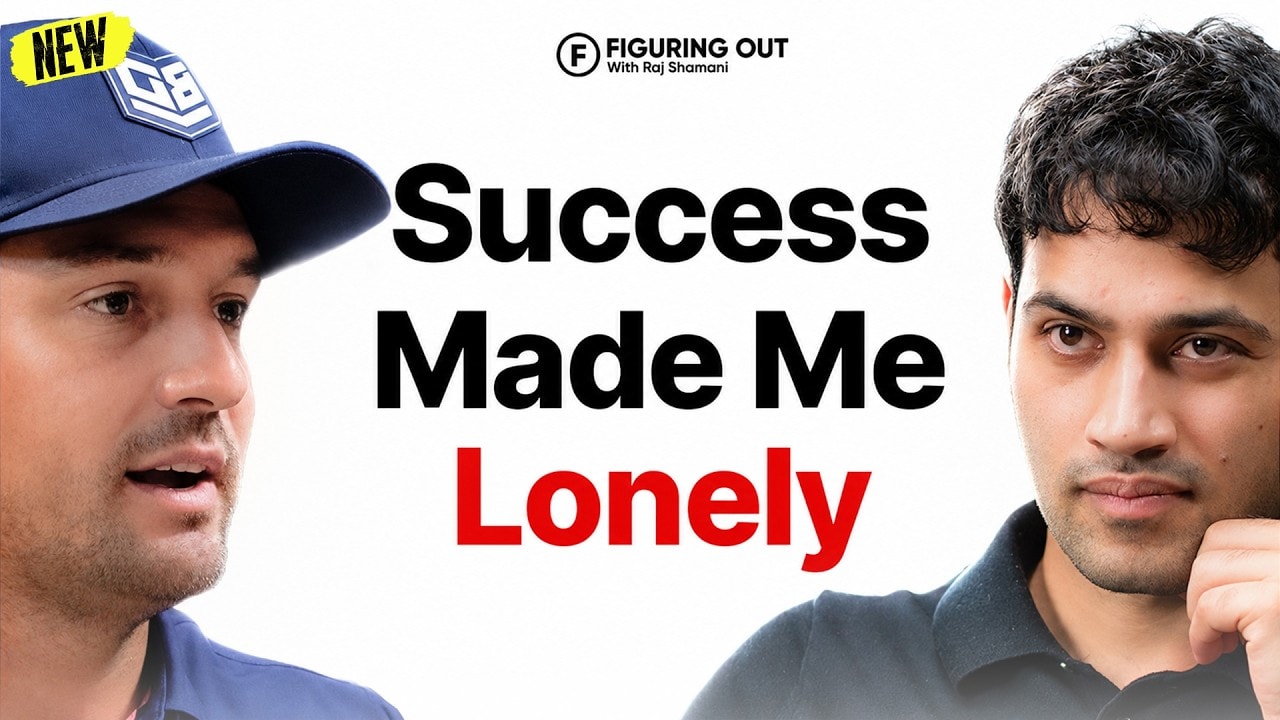
Figuring Out with Raj Shamani
Raj Shamani sits down with Bryson DeChambeau - 2024 US Open champion, YouTube creator and golf-equipment builder - for a two-and-a-half-hour breakdown of the elite-athlete mindset. DeChambeau traces the wiring: a nine-year-old accused of cheating after winning his first tournament, abandonment issues and a fear of not being accepted, role-playing games like The Elder Scrolls that taught him progression, and the 2009 housing crash that pushed a 15-year-old to raise $2,000 door-to-door for tournament fees - including one stranger's $800 'angel check' he later tried to repay. He explains his lifelong hunt for 'distinct advantages': single-length irons he prototyped at 15 by grinding wedge heads to exchange head mass for shaft length, the strokes-gained logic (three yards farther beats six yards offline) behind his 2019 body transformation, speed training at 120 balls a session until his nervous system shook him awake at night, and the curved-face driver that preceded his 58 in 2023. He is candid about the costs: bulking to three times the heart-attack risk before losing 24 lbs in 30 days on a sensitivity-based whole-food diet, a broken hamate from overtraining in the cold, 14 missed cuts in a row in 2017, the lonely morning after winning the US Open, and becoming golf's villain in 2022 - then rebuilding his image by showing who he is on YouTube instead of telling. He closes with the death of his father in November 2022, the final putt at Pinehurst on Father's Day week, and a whiteboard framework for the next year: passion, three daily questions, health-mind-spirit, and outworking everyone. All figures, health claims and views are the speakers' own, not verified by us. FULL COVERAGE: the captions appear to cover the entire episode. Sponsor: a styling partner is named in the intro (auto-captions render it as 'Levice', likely Levi's). Nothing here is medical, investment, legal or financial advice.
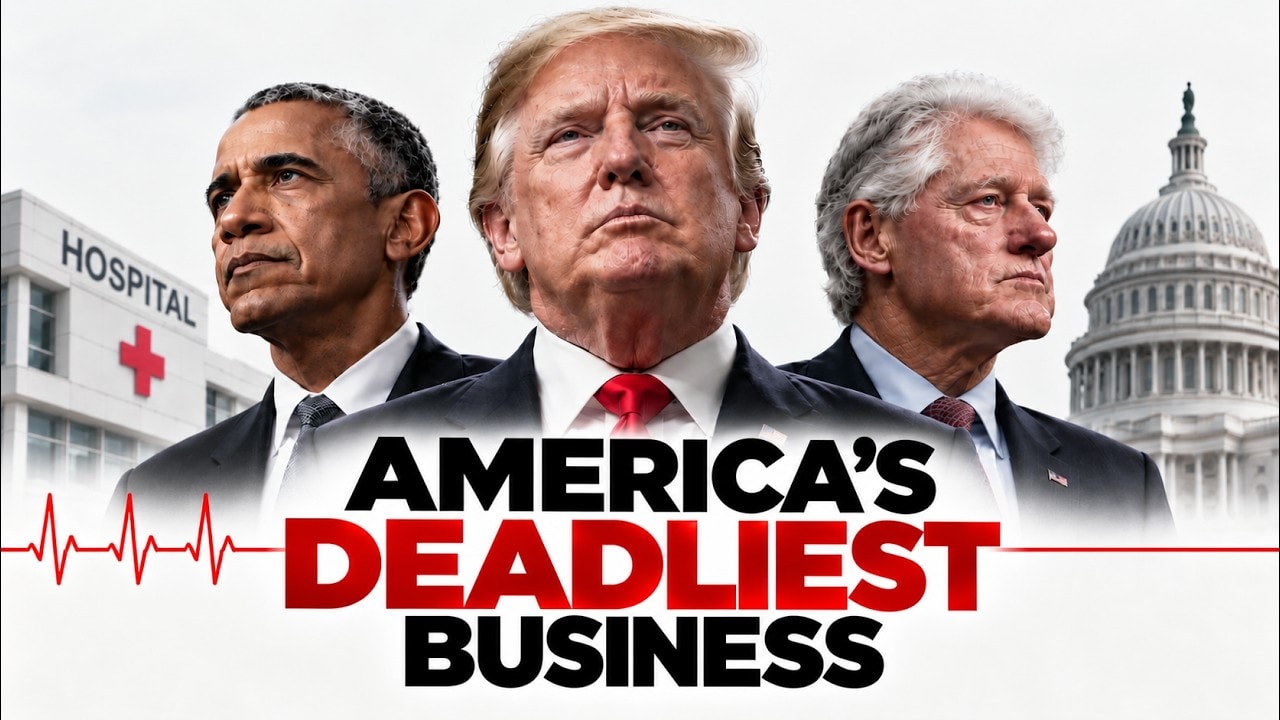
Think School: Indian Business Podcast
Think School traces how private equity turned American healthcare into a profit machine - and why the same firms are now buying into India's biggest hospital chains. FULL COVERAGE: notes span the entire video. Sponsor: Ditto Insurance (health-insurance advisory, free consultation). All figures, study numbers and cases are as stated in the episode; nothing here is medical, insurance or investment advice - the episode itself urges viewers to review their own insurance. The numbers as told: America spends $5.3 trillion on healthcare - more than China, Germany, Japan, the UK, France and Canada combined - and after Obamacare, US hospitals drew $1 trillion in private equity investment. The outcomes the episode cites: in PE-bought hospitals, patient falls rose 27% and bloodstream infections 38%; in nursing homes, deaths rose 10% - about 20,000 extra lives. The backstory: in 2010, 16% of Americans were uninsured, medical bills were the top cause of personal bankruptcy, a heart attack could run $70,000-$130,000, and hospitals ate $57 billion in unpaid bills in 2008 alone. Obamacare insured 20 million more Americans, turned hospitals into recession-proof cash machines - and that is when, in the episode's telling, the sharks arrived. The mechanics come alive through two cases. Burger King: 3G Capital's 2010 leveraged buyout - $4 billion price with $1.2 billion of its own money, the $2.8 billion loan booked on Burger King's own books, corporate jets sold, 1,335 of 1,387 restaurants franchised, margins up from 6% to 20%, profits from $17 million to $233 million, then an $8 billion IPO in under two years. Steward Healthcare: Cerberus bought six nonprofit hospitals for $895 million with $246 million down, sold the land for $1.25 billion, paid itself a $473 million dividend, loaded the hospitals with the acquisition debt plus $121 million a year in rent, expanded to 30-plus hospitals treating 2 million patients annually, and exited in 2020 with over $800 million in profit - after which Steward cut nurses and supplies, a young mother bled to death when a repossessed device was missing, newborns who died were placed in cardboard shipping boxes, the company still distributed $111 million in dividends in January 2021 ($81 million to its CEO, who bought a $30 million superyacht), and filed America's largest hospital bankruptcy in 2024. Also cited: a PE firm that shut a hospital whose land could become luxury condos, KKR's $9.9 billion Envision whose ER doctors deliberately stayed out of insurance networks to generate surprise bills, and a Harvard study of 51 PE-backed hospitals concluding patient care was sacrificed for profit. The India angle: PE holds over 50% stakes in 11 of the biggest chains (Manipal, Care, KIMS, Sahyadri, Sterling, Motherhood, Max among those named), a parliamentary committee has raised concerns, India has 0.9 hospital beds per 1,000 people against a needed 3, and the top 10 players own under 10% of beds - a fragmented market perfect for Cerberus-style bolt-ons, like KKR's 2024 purchase of 70% of Kerala's Baby Memorial, now a chain of nine. The episode stays balanced: PE is not inherently bad and many patients have excellent experiences at PE-backed Indian hospitals; it ends with prescriptions - caps on PE stake percentages, German-style price caps (noting Dr. Devi Shetty's counterargument that cross-subsidizing rich patients funds care for the poor), banking-style regulators for hospitals, and a citizen-level nudge to get health insurance reviewed.
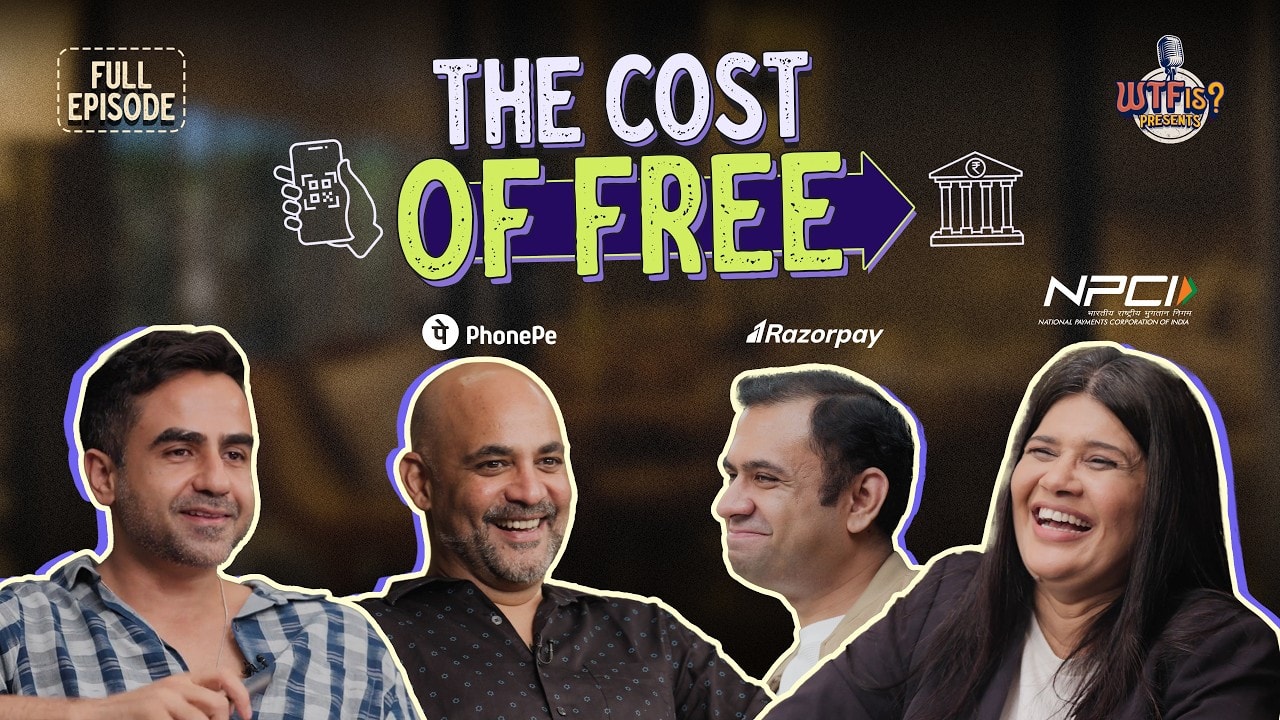
WTF is with Nikhil Kamath
Nikhil Kamath sits with the three people who run India's payment rails - Sohini Andani (ED Growth, NPCI), Harshil Mathur (co-founder, Razorpay) and Sameer Nigam (co-founder & CEO, PhonePe) - for a four-hour map of how money actually moves in India. They draw the six-party UPI diagram live (why your 100-rupee transfer is about 10 API calls across PhonePe, a sponsor bank, NPCI and two banks), break down who pays for 'free' UPI (an estimated 25 bips ecosystem cost, a 15-50 paise switching fee, and the zero-MDR decision that froze private investment), and retell the Flipkart Big Billion Day when 75-80 million waiting shoppers took down bank core systems. The conversation ranges across card economics (who really keeps the 2%), the regulation debate (caps, monopolies, banking licences, 'process is the punishment'), what payment data reveals about real India (tier-2+ is 65-70% of digital payments; 70% of e-commerce spend comes from 15 million households; a GST cut study), cross-border, CBDCs vs stablecoins, agentic commerce, and a closing panel with founders of Seven (payment rings), Dodo Payments (merchant of record) and PayGlocal (cross-border). All figures and views are the speakers' own. FULL COVERAGE: the captions appear to cover the entire episode. Sponsor: none stated. Nothing here is investment, legal or financial advice.
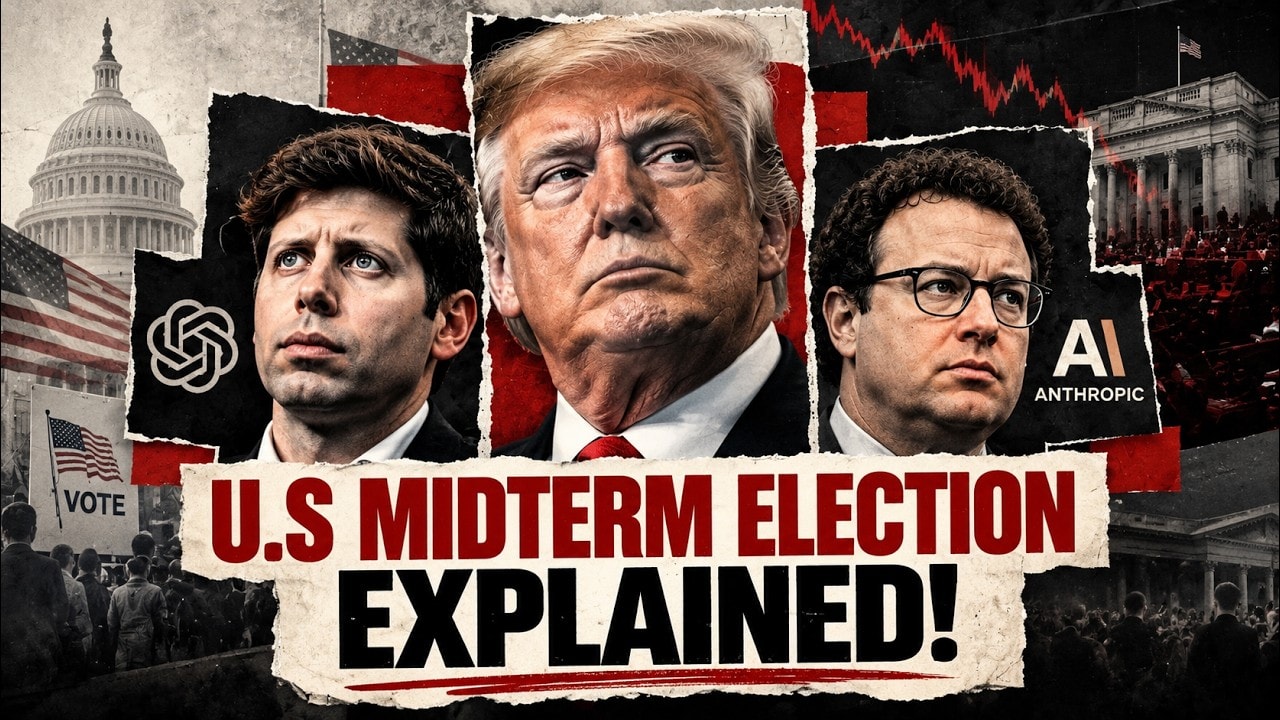
Think School: Indian Business Podcast
Think School explains why the 2026 US midterm elections scare every American president - and why AI companies are pouring record money into them. Sitting presidents have lost seats in 20 of the last 22 midterms, and Trump himself says 'when you win the presidency, you lose the midterm.' With Republicans holding exactly 218 House seats (218 needed) and a 53-47 Senate, a four-seat swing flips Congress and turns any president into what the episode calls a toothless tiger: laws blocked, budgets stalled, appointments frozen, investigations opened. The episode then explains the super PAC mechanism - unlimited legal corporate spending - through the story of Congresswoman Katie Porter, whose Senate run was buried by $10 million in crypto-industry ads that never mentioned crypto, and connects it to 2026's record $646 million in corporate political spending. The new players: Leading the Future (backed by OpenAI's Greg Brockman and a16z, $100 million pledged, demanding one national law and a 'build now, punish later' approach), Public First (Anthropic, $40 million, backing state safety rules and an aviation-style regulator for powerful AI models), and Meta ($65 million targeting state elections). Why India should care: 100 million weekly ChatGPT users, Claude's second-largest market, and the IMF's estimate that 40% of jobs worldwide are exposed to AI. FULL COVERAGE: the captions appear to cover the entire episode. All figures and claims are the episode's own narration, not independently verified. Sponsor: Whisper Flow. Nothing here is investment or professional advice.
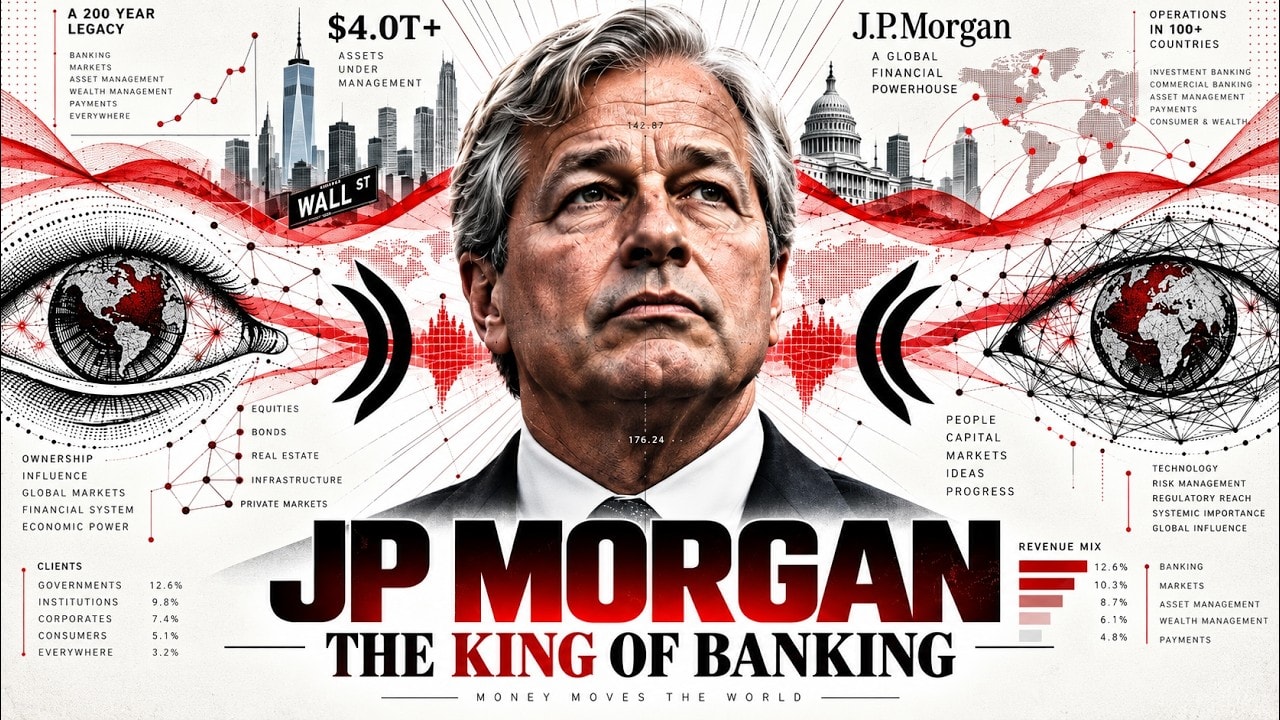
Think School: Indian Business Podcast
In 2008, while Lehman Brothers went bankrupt and Citigroup lost $27.7 billion, JP Morgan made a $5.6 billion profit - and bought a bank over a weekend. This Think School case study breaks down how Jamie Dimon turned the worst financial crisis of the century into an opportunity: why JP Morgan lent carefully while Wall Street laughed at him for playing too safe, how the Bear Stearns deal worked (a $1.2 billion price tag covered by the bank's own 47-storey Manhattan tower, with the Federal Reserve's Maiden Lane LLC absorbing $29 billion of $30 billion in risky mortgages), and how the Washington Mutual acquisition delivered over 2,000 branches, $160 billion in deposits and two of America's richest markets for $1.9 billion. By 2009, JP Morgan was the world's number one investment bank by fees. FULL COVERAGE: the captions appear to cover the entire episode. All figures and claims are the episode's own narration, not independently verified. Sponsor: Neuro (Neurogum). Note: YouTube's auto-captions garble several names (Jamie Dimon as 'Jamie Diamond', Lehman Brothers as 'Layman Brothers', Bear Stearns as 'Bear Stones', Citigroup as 'Croup'); these notes use the correct spellings while quotes stay verbatim from the captions. Nothing here is investment advice.
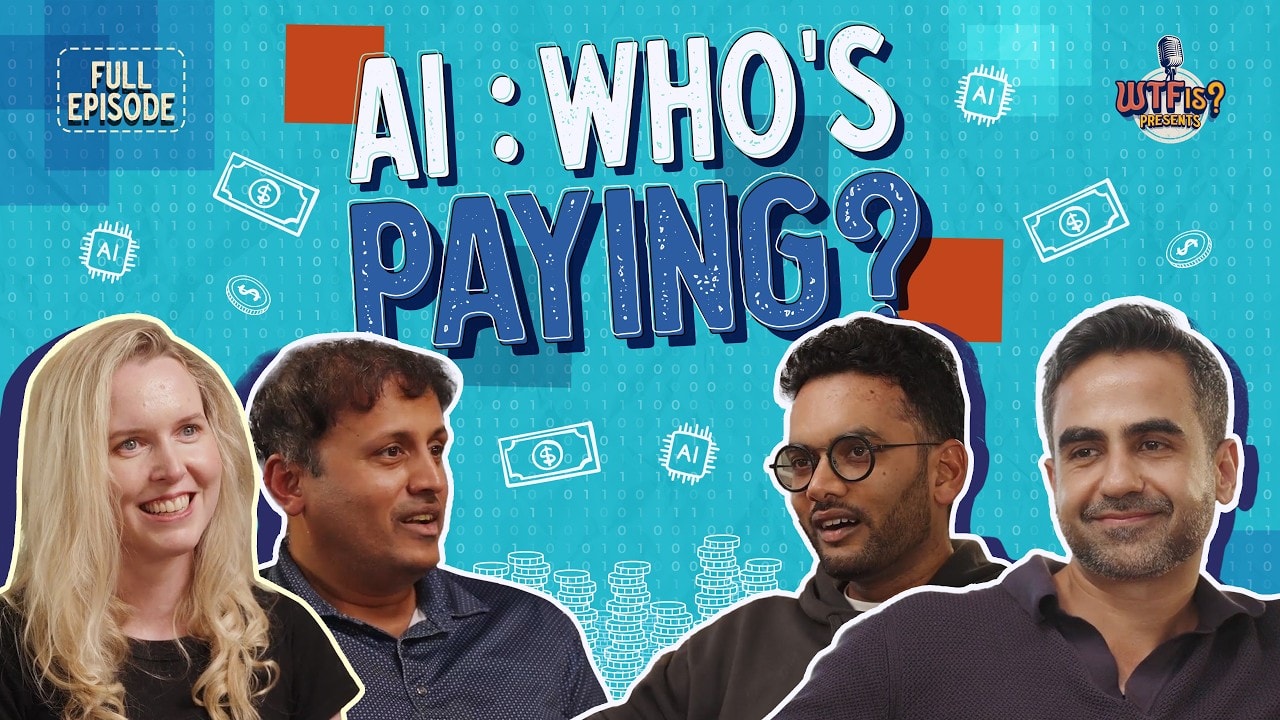
WTF is with Nikhil Kamath
Nikhil Kamath spends a week in San Francisco asking the people building AI whether it is a bubble. His panel: Akshay Kothari, co-founder of Notion; Azalia Mirhoseini and Anna Goldie, the Google Brain duo behind AlphaChip who were Anthropic employees 25 and 26 and have now co-founded frontier lab Ricursive Intelligence; and Vijay, a founder in the AI data-training space whose platform spans five million knowledge workers. The conversation maps the full AI stack - chips and data centres, frontier labs, neolabs like SSI and Ricursive, data trainers like Turing, Mercor, Surge and Scale, inference providers, applications and services - then goes layer by layer: why Ricursive is building AI that designs chips to break the hardware lottery, why training data work is obsolete every nine months, what recursive self-improvement means and why the cost of intelligence is its metric, and how Notion's agent users went from 1% to 30% in under a year. Nikhil's framing number: about $700 billion spent or committed on AI this year against about $100 billion of AI enterprise revenue. FULL COVERAGE: the captions appear to cover the entire episode. All figures and claims are the speakers' own, not independently verified. Sponsor: none stated in the episode. Nothing here is investment advice.
Think School: Indian Business Podcast
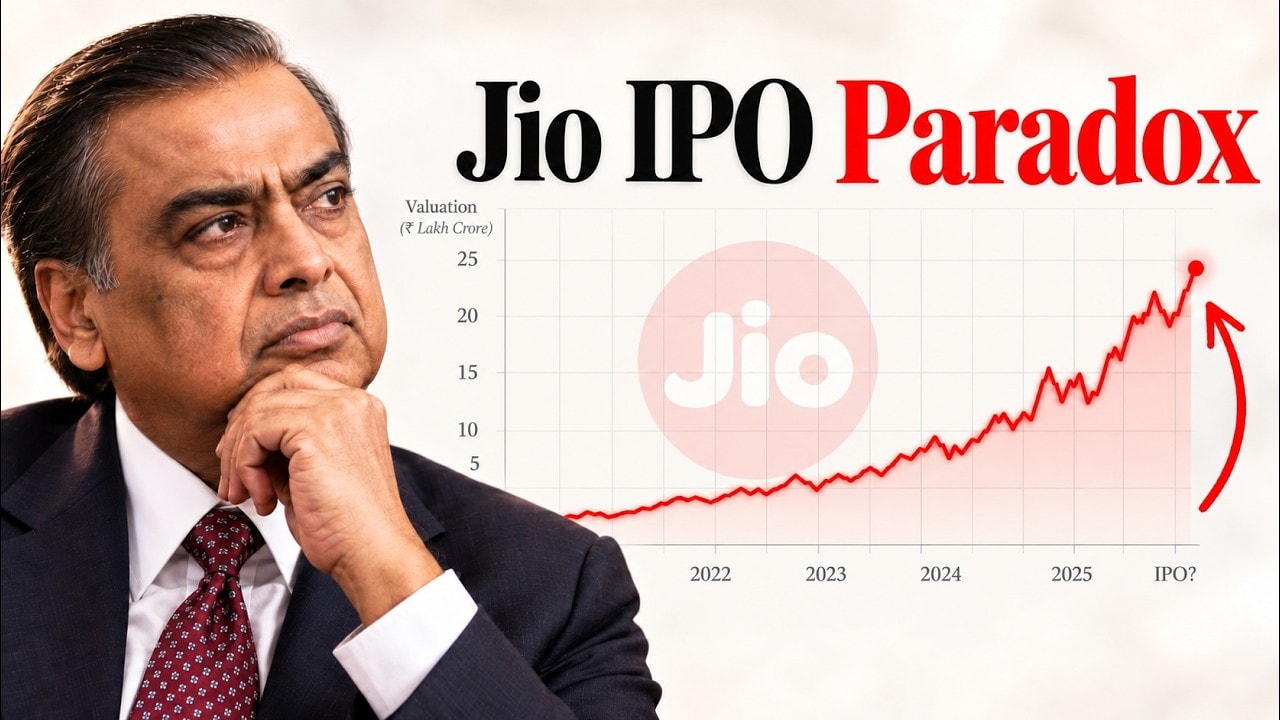
Think School reads Jio's 528-page draft IPO prospectus beyond the headlines. The video lays out Jio's headline numbers of 1.46 lakh crores in revenue, about 30,000 crores in profit and 524 million customers, then explains the business as one equation - revenue equals users times average revenue per user - across a six-level pyramid from 2G India to enterprises. It surfaces three things it says the headlines are missing: an outstanding spectrum obligation of 1.04 lakh crores that costs about 40 percent of profits a year until 2038, a deferred tax pile of 55,611 crores that kept the actual tax paid at 118 crores against a 10,300 crore paper bill, and a real free cash flow of about 20,300 crores that needs roughly 18 rupees more per user per month to hold steady. It closes with four growth engines - recharge prices, home broadband, small business digitization and AI distribution - and three risks: price-sensitive customers, the next capex cycle and satellite internet. FULL COVERAGE: the captions appear to cover the entire episode. All figures are as read from the DRHP by the channel, not independently verified, and the channel states it is not a SEBI registered adviser. Sponsor: none stated in the episode. Nothing here is investment advice.

Think School: Indian Business Podcast
A Think School interview, filmed in Sri Lanka, with former cricketer Kumar Sangakkara, now chairman of Crystal Property Group, about luxury beachfront villas in Sri Lanka and the guest's claim of an 8% net yield for investors. The host first gives three reasons he sees for a Sri Lankan turnaround, then tours a villa and asks about the model, Indian tourism and the economics. Sponsor: Odoo, linked in the description. PARTIAL COVERAGE: this note covers the host's opening, the villa tour and project story, the section on Indian visitors, the question on rental economics, and the closing, and does not cover every part of the roughly 54 minute video, including the risks and pitfalls section. All returns, tourism numbers and market claims are the host's or the guest's own and are not independently checked, and the guest is promoting his own company. This is a summary, not financial, investment or property advice.
My First Million
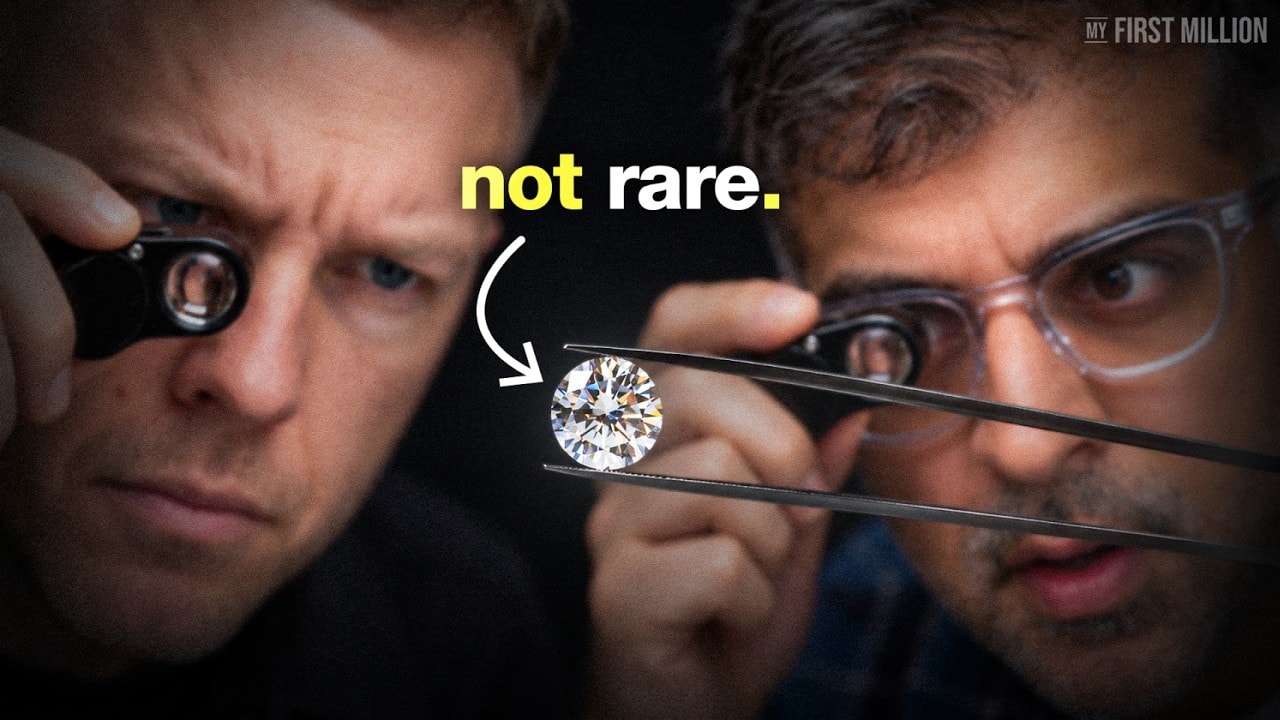
My First Million episode 871, in which hosts Shaan Puri and Sam Parr discuss how the diamond industry used marketing to shape what people pay for diamonds. They go through a short history of diamonds, how De Beers consolidated supply, the four Cs and the grading body that supports them, falling lab-grown prices, and a few related marketing examples. Sponsor: HubSpot, named in the episode description. PARTIAL COVERAGE: this note covers the opening, the history and De Beers section, the four Cs discussion, and the final segment, and does not cover every part of the roughly 32 minute episode. The hosts' claims about prices, history and industry practice are their own and are not independently checked. This is a summary of their views, not investment or purchasing advice.
Think School: Indian Business Podcast
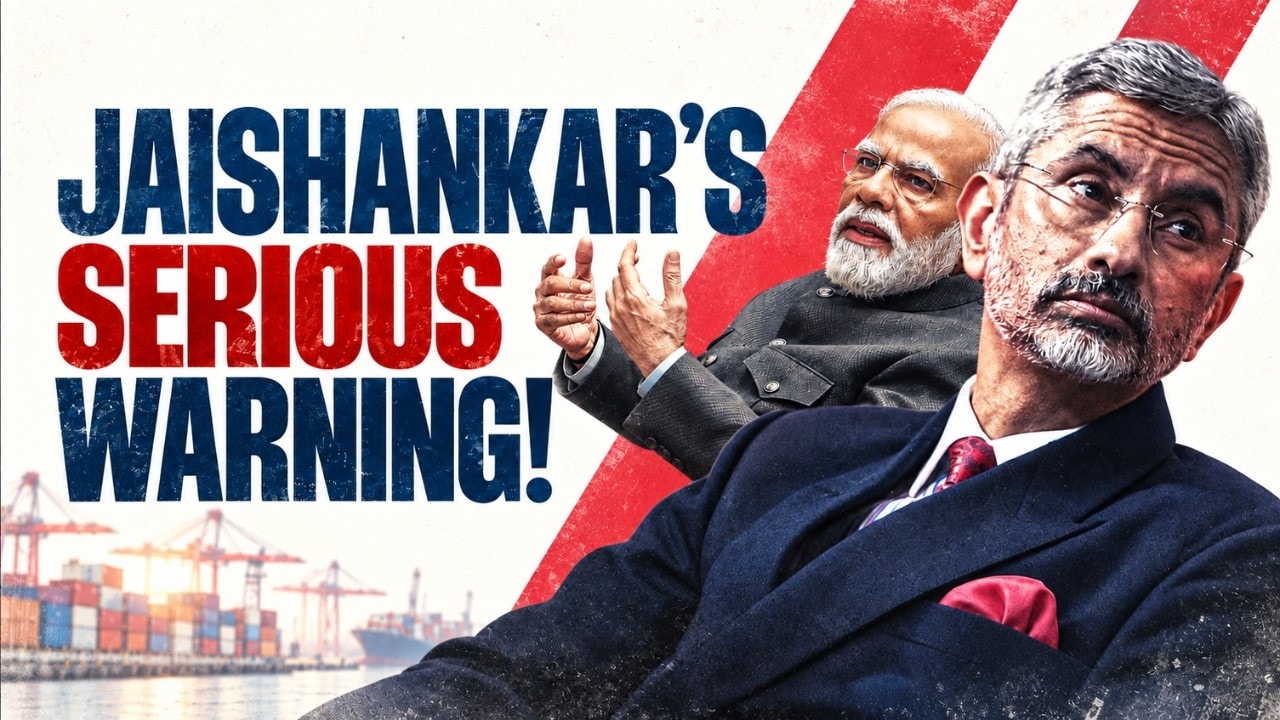
A Think School case study on why India's foreign minister warned of a 4F crisis of fuel, food, fertilizer and finance, and how each could affect the Indian economy. The narrator walks through fuel imports and strategic reserves, food supply and the weak monsoon, and the cost of living effects, and ends with a call for founders working on fertilizer and solar. Sponsor: Ditto, an insurance advice platform, named in the video. PARTIAL COVERAGE: this note covers the opening, the fuel section, part of the food section and the closing, and does not cover every part of the roughly 17 minute video, including most of the fertilizer and finance sections. Figures and forecasts are the narrator's own and are not independently checked. The views on government policy are the narrator's. This is a summary, not financial, insurance or investment advice.
Figuring Out with Raj Shamani
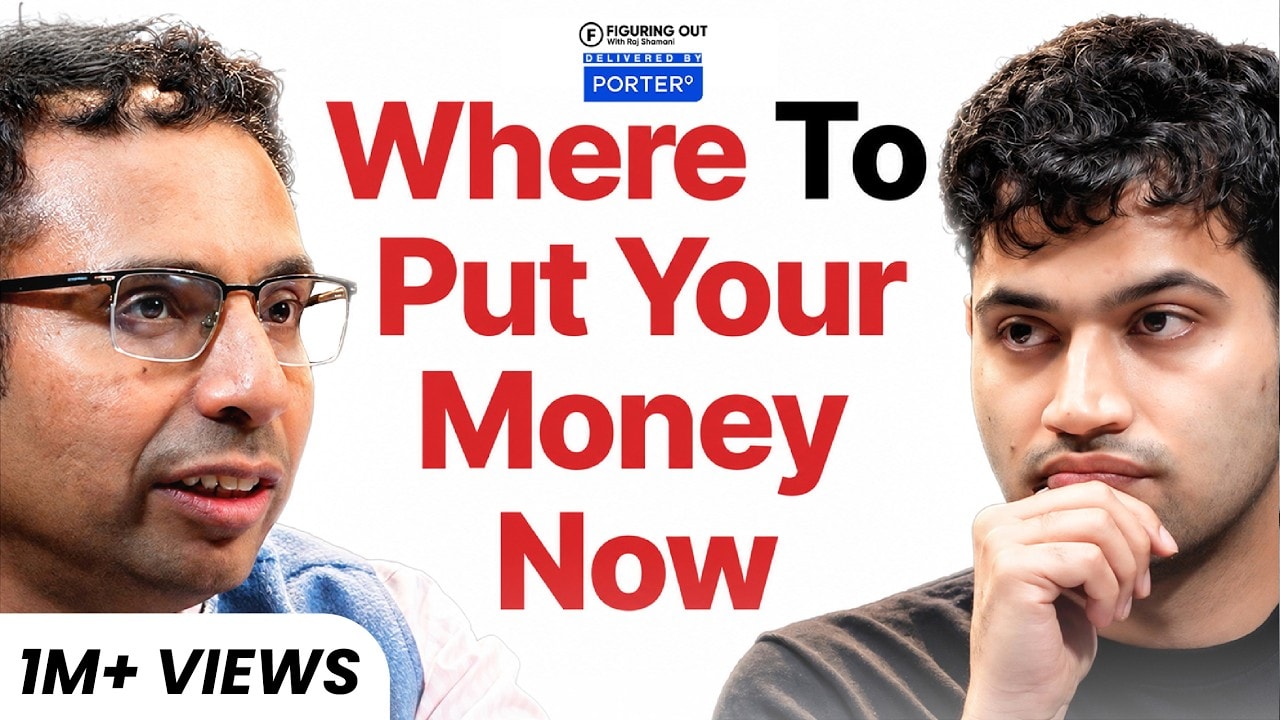
Saurabh Mukherjea discusses knowing a core strength, developing leaders, mentoring and gaining perspective through varied work. Selected leadership passages only, not a full-episode summary or investment advice. Crisis forecasts, stocks, gold, portfolios, inflation, debt, political, AI, health and extreme-work claims omitted. Company examples are the guest's account, not current policies. Quotes reproduce Wave's third-party machine transcript; recognition errors and audio-video edit differences are possible. Untimed topics are not video chapters. Original video: https://www.youtube.com/watch?v=61_ouz8Rr4s Transcript: https://pod.wave.co/podcast/raj-shamanis-figuring-out-ae16fa52-2d44-4d97-9190-2a80ee902de7/top-investors-warning-global-crisis-coming-for-your-wealth-saurabh-mukherjea-fo573-raj-shamani

How I Built This with Guy Raz
Guy Raz and Thrive Market co-founder Nick Green take three founder calls: Blackstrad Concert Attire on balancing product quality and speed, Peak State Coffee on growth without losing its values, and Voice Back on awareness for an assistive communication app. The opening update covers recurring grocery orders, search data and AI-assisted shopping, followed by brief personal walking and reading anecdotes. Main theme: entrepreneurship, focus, scalability, mission, financing and customer acquisition. AI grocery features, mushroom and adaptogen claims, medical diagnoses, disability and personal mental-health comments are context or secondary discussion, not the main purpose of the calls. The app call concerns a paid product, retention, pricing and relevant distribution, not disease treatment or clinical guidance. No health benefit, diagnosis, prognosis, voice-cloning accuracy, app suitability or patient outcome is independently established. The hosts' simplified ALS remarks are not adopted as a prognosis; do not use them to set care, pricing or personal expectations. No coffee, supplement or health routine is recommended. Voice cloning and patient testimonials require proper consent, privacy protection and appropriate professional review; no patient-targeting list or outreach action is created by these notes. Medical app claims and current pricing must be checked separately. The caller's claims about advisers, downloads, testimonials and marginal costs remain attributed. The app name is kept as Voice Back per the publisher description and closing audio, not the erroneous Voiceitt ASR in its introduction. Funding, equity-for-promotion, debt, influencer partnerships and discounts are discussed as possible options, not legal or investment instructions. Equity involves dilution; debt involves repayment and loss risk. Customer research and any marketing must respect consent, platform rules, health-data sensitivities and disclosure requirements. Reported revenues, memberships, conversion figures, goals and prices are historical episode statements, not checked current facts. FULL COVERAGE: all48:58downloaded publisher audio reviewed in49sequential chunks, none below700characters. RSS45:02; the downloaded ad-supported edition differs in duration. No claim of video equivalence or gap content. Ads/promotions heard: Stripe Atlas/Treasury, Anthropic/Claude, Upwork, Framer, NPR's Machine Gods, State Street/SPY, American Express Corporate and Toast. Own-show promotions: the original Thrive Market interview and Guy Raz's newsletter/Substack. Closing archive clip describes difficulties with an outsourced technology build; it is a historical account, not a recommendation to alter a current website. Verified show artwork retained; the Montgomery Summit page labels the guest photo Nick Green, and actual pixels were inspected. Informational only, not personalized financial, legal or medical advice. PREPUBLICATION: Check existing published and unpublished editions, including original/reissue aliases, before creating or publishing this conversation again. Confirm the chosen cover and guest portrait against the intended edition. A generic show cover or a guest photo is not verified main-video artwork. Figures, roles and opinions describe the historical interview. Product, health, legal and financial claims are not independent conclusions.
Figuring Out with Raj Shamani
Scott Galloway joins Raj Shamani to discuss the middle class, opportunity, isolation, comparison, luck and risk-taking. He challenges the idea that success is purely individual and asks how young people can build relationships and take useful risks. Economic claims and personal strategies are his views, not investment advice or clinical treatment.

The Think Media Podcast
Sean Cannell interviews Anton Stetner, founder and lead advisor of RESG, about the money, time and delegation behind a business YouTube channel. Stetner says his current content operation costs about $4,000 a month for editing, thumbnails, studio time and a producer, another $3,200 for a full-time content assistant, and roughly $700 in subscriptions, approaching a six-figure annual investment. He describes starting with daily phone-shot vertical videos, editing them himself, paying his son to edit, renting studio space, keeping strategy in-house, and reinvesting revenue. He also reports that social channels generate about 30% of his real estate business and that the system feeds related ventures. These are his reported business figures, not independently verified returns or typical results. Notes based on the publisher's full audio edition. FULL COVERAGE: complete publisher audio from start to finish. The RSS says this episode is not sponsored and notes possible affiliate links; audio promotes Think Media's viralvideocoach.com strategy calls, VRA Elite, a gear guide and thinkmediamastermind.com, plus Stetner's channels and RESG. Speaker opinions and market statements are attributed. Informational only, not business, financial or real-estate advice.
Invest Like the Best
Dylan Patel joins Patrick O'Shaughnessy to discuss financing compute ahead of revenue, token economics, talent, overbuilding and power constraints. His September 2025 analysis and forecasts are attributed views, not verified current deal terms, technical performance or investment advice.
Invest Like the Best
Michael Moritz - former Time journalist, longtime Sequoia Capital chairman, and author of the family-history book at the center of this conversation - sits with Patrick O'Shaughnessy. FULL COVERAGE: notes span the entire episode. Sponsors read on the show: Ramp, WorkOS, Rogo, Vanta and Ridgeline. All views, historical accounts and market observations are as stated by the speakers; nothing here is investment, legal or other advice. Moritz traces how his parents' flight from Nazi Germany - a mother who predicted doom at the breakfast table and a survivor instinct absorbed, not told - made him a permanent outsider with a built-in bolt-hole reflex: he says the lesson of his family history is that you can never have enough passports. He tells the two-grandfathers story: the Bavarian civil servant who trusted the state and his pension stayed too long and perished; the blind cattle trader who had always fended for himself got out 72 hours before the war began. The conversation covers his childhood-interrogation method for reading founders (including the question that made a Sequoia candidate burst into tears), the Anna story and his resistors-silent-collaborators frame from a French village series, how the Chrysler book and Lee Iacocca revealed the immigrant outsider's engine, and the Steve Jobs Time profile - put through what he calls an editorial combine harvester - that severed their relationship and pushed him out of journalism. On Sequoia: Don Valentine hired a journalist with no technical background on the Arthur Rock precedent; Moritz says the old venture game of imperfect information and close founder relationships no longer exists, and his own mandate taking over was not to screw it up, to act as if the firm is only as good as its next investment, and to do right by nonprofit investors - including fighting one fund back to par over a decade rather than walking away. Elsewhere: Alex Ferguson's real management skill (he wanted respect, not love or fear, and met Beckham at the airport after the World Cup sending-off), why he believes the great-person theory of history and calls Elon possibly the greatest industrialist in American history, Frank Auerbach's one-day-off-a-year monomania, why he thinks AI will create more jobs than it destroys and is raising the value of extraordinary writing, stepping away from Sequoia cold turkey, building the San Francisco Standard to prove local journalism can be profitable, and his closing answer on what matters: relationships, knowing we are all insignificant, and leaving things a little better.

Invest Like the Best
Patrick O'Shaughnessy interviews Michael Ovitz, co-founder of Creative Artists Agency, about storytelling, building an agency, information sharing, talent, relationships and creative business development. A long Michael Crichton and Jurassic Park story introduces the work of helping a creative idea become a finished project. Ovitz then describes scale, the shift to digital media, venture relationships, positional power, momentum, follow-up, branding, art, honest client feedback, family trade-offs and the Coca-Cola account. The close recalls professional gratitude and personal kindness. Main theme: creative entrepreneurship, agency operations, talent development and business relationships. Writer's block around minutes 6-11, an unnamed client's sleep problem around 81-84, family balance around 85-90 and brief family-health context in the closing kindness story are secondary personal and business anecdotes, not medical or mental-health instruction. The short digital-character-contract example around 74 and technology-business examples are not an AI-focused main theme. A phrase describing CAA as a religious experience is a workplace metaphor, not spiritual teaching. All business metrics, returns, contracts, account size, staffing, ownership, client relationships, dates, box-office outcomes and production credits are historical speaker claims as of January 9, 2024, not independently verified current facts. Memories of studio deals and agency packages are one participant's account, not current law, industry contract terms or proof of an exclusive origin story. Early CAA founding-year references differ between introduction and recollection; no invented reconciliation is asserted. Rain Man awards and box-office chronology are not adopted as verified facts. The Michael Mann film title changes in the ASR between adjacent chunks, so no attribution of the later wrong-title rendering is made. Broad art, color-response, founder-success and nonverbal-cue assertions are personal heuristics, not verified cognitive science or reliable judgments of individual ability. Generalized gender, age, nationality and personality stereotypes are not endorsed or used as factual hiring rules. Writer's block is not assigned a diagnosis; the unnamed sleep/medication story is not given a drug, dose or treatment protocol and requires qualified clinical judgment in real life. His child's health is not diagnosed, and private family medical details are not expanded. Rain Man is discussed as a production story, not a guide to autism or a claim that autistic people have a single appearance or trajectory. Historical radio-call monitoring and selective messaging are not recommendations to intercept communications, exploit private information, deceive clients or breach confidentiality. Publicity, mystique and competitive signaling do not justify misrepresentation, coercion or interference with others' rights. Strong internal sharing still requires appropriate privacy and client-conflict safeguards. The guest acknowledges missing talent and driving people too hard; extreme hours and reduced sleep are not endorsed as necessary, safe or universal success requirements. Art references illustrate study and taste, not legal permission to reproduce others' work commercially. People-first investing does not eliminate loss, diligence, conflicts or illiquidity. FULL COVERAGE: entire downloaded publisher RSS audio in 110 chunks; sparse final 11-second chunk checked in halves, both silent. Actual audio 109:11 versus RSS 110:25. No claim that this edition matches a YouTube cut or its timings. Ads heard: Ridgeline and Crosby. Separate 40-85-second probe confirmed Crosby and crosby.ai/invest after chunk ASR incorrectly rendered Cooley. Ramp and Rogo are customers inside the Crosby read, not separate ads. Own-network promotion: Colossus podcasts, transcripts, resources and Colossus Weekly. RSS Tegus and Founders Podcast promotion were not heard as separate reads in this edition. Dynamic inventory differs; historical commercial claims are not verified current terms. Informational only, not personalized investment, financial, legal, tax or medical advice.
Invest Like the Best
John Kim, author of The Tao of Fundraising, joins Invest Like the Best to break down how billions are really raised: trust as desire minus fear, why your first close sets your re-elect ceiling, why money moves at the speed of trust, how big money hides behind committees, the drama triangle in every meeting, and why goodness - kindness plus conviction - is the real edge. Views expressed are the guest's own; this podcast is for informational purposes only and not investment advice. Sponsor reads in the publisher audio: Ramp, WorkOS, Vanta, Ridgeline and Rogo. Notes based on the publisher's full audio edition. FULL COVERAGE: these notes cover the complete episode from start to finish.


